10:00 - 16:00Avaliação Externa FAB LAB HNBy Equipa de Avaliação Externa / External Ssessment teamFAB LAB HN
Visão Geral do Projeto e Avaliação Final
Este projeto é desenvolvido desde 2026, em parceria com o Agrupamento de Escolas Henriques Nogueira, a Câmara Municipal de Torres Vedras e o Lab Aberto FAB LAB, está agora na fase de autonomia e irá terminar em julho, durante o LAB ABERTO BOOTCAMP 2026, com a última reunião de avaliação externa.
Avaliação e participantes
Este ano serão três os avaliadores, repetentes de 2022 e 2024. A reunião irá contar com a presença de todos os que participaram, direta ou indiretamente no desenvolvimento do projeto, nomeadamente:
representantes da edilidade,
empresas e particulares,
e toda a comunidade educativa.
Relatório Final
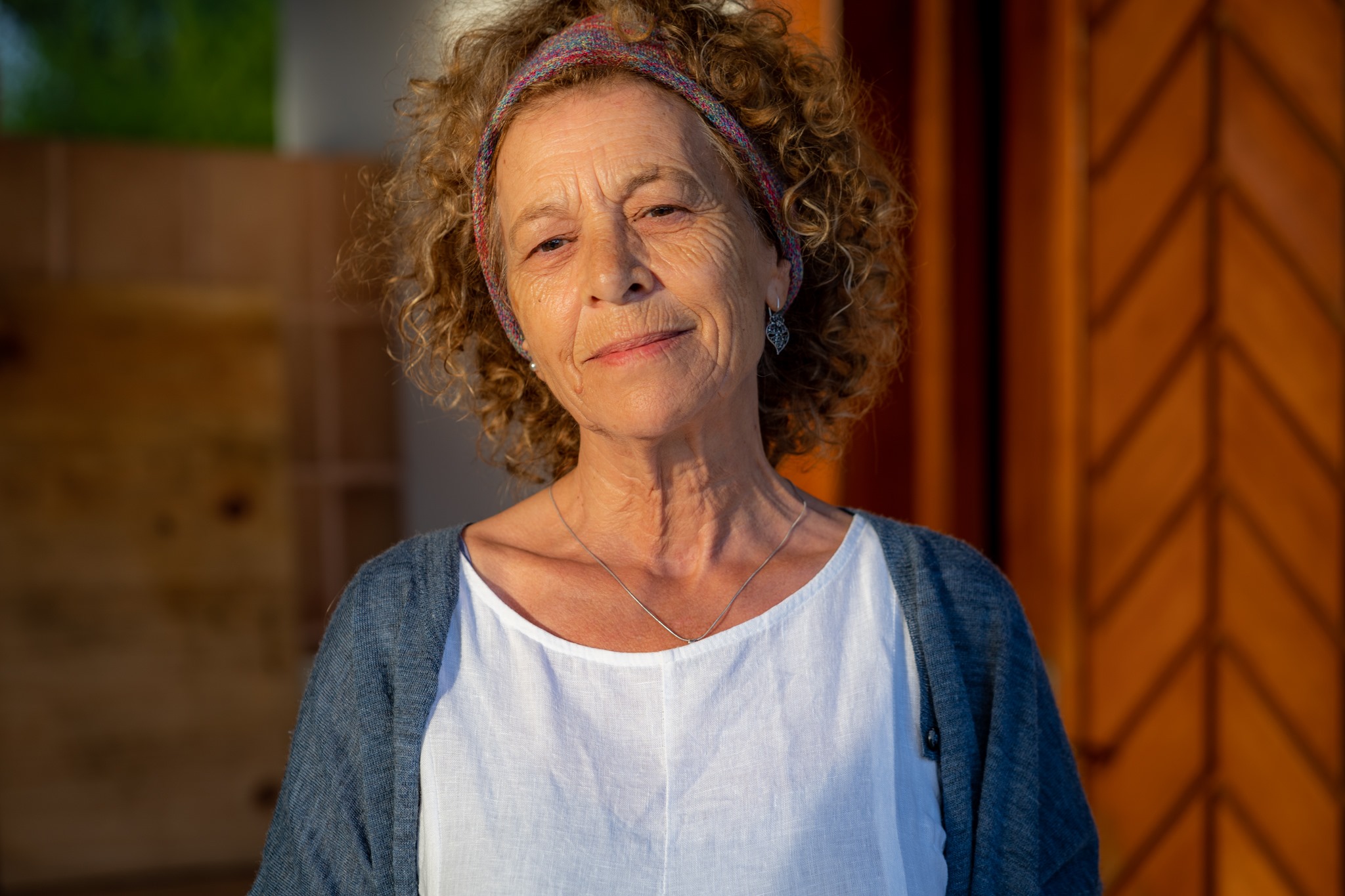
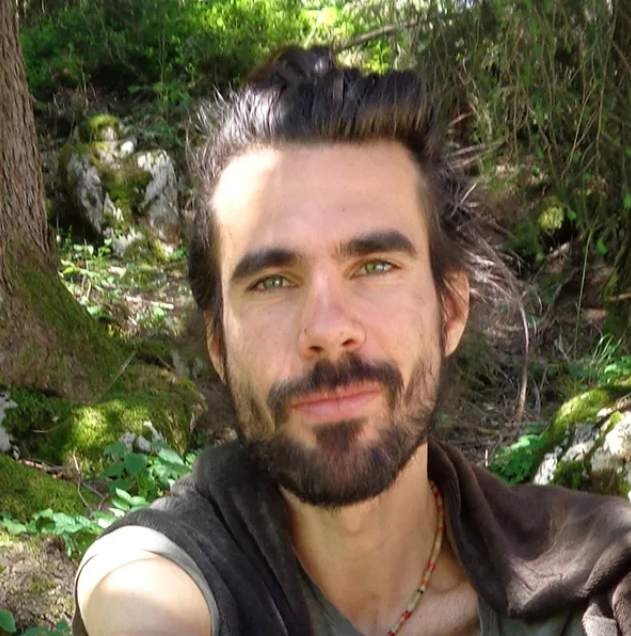
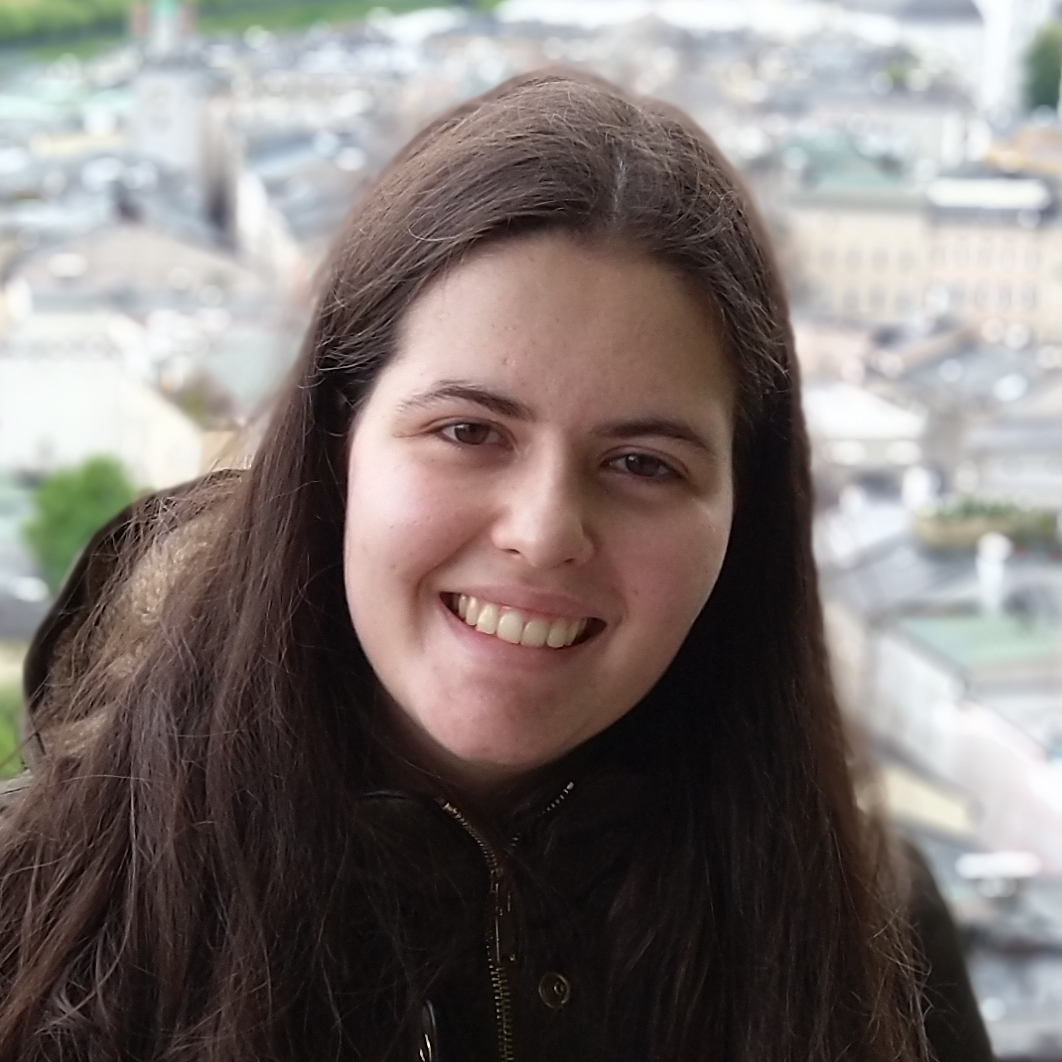
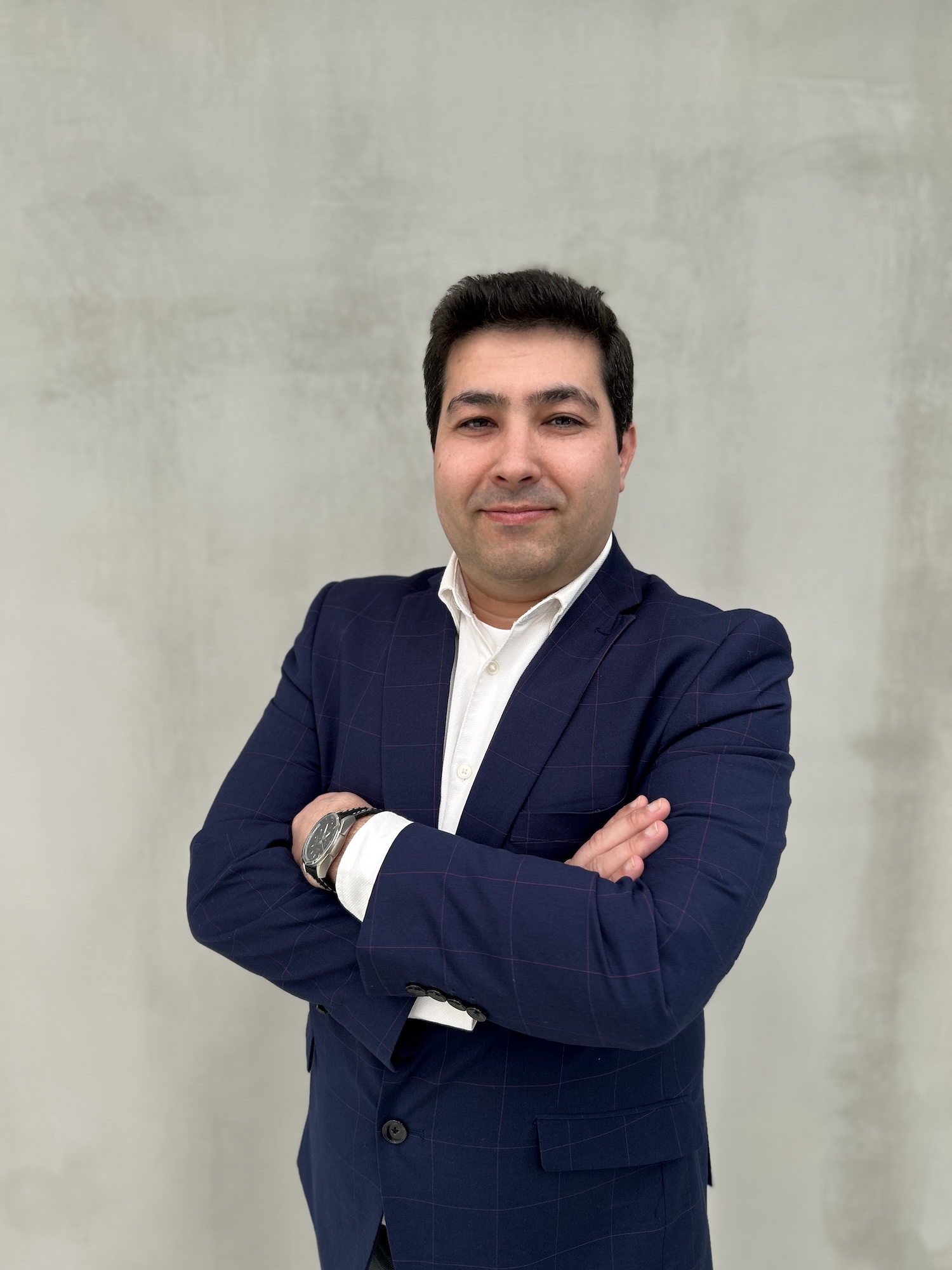
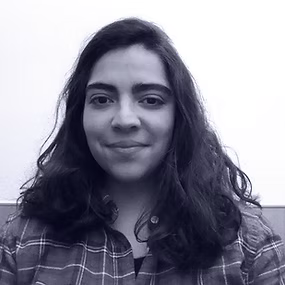
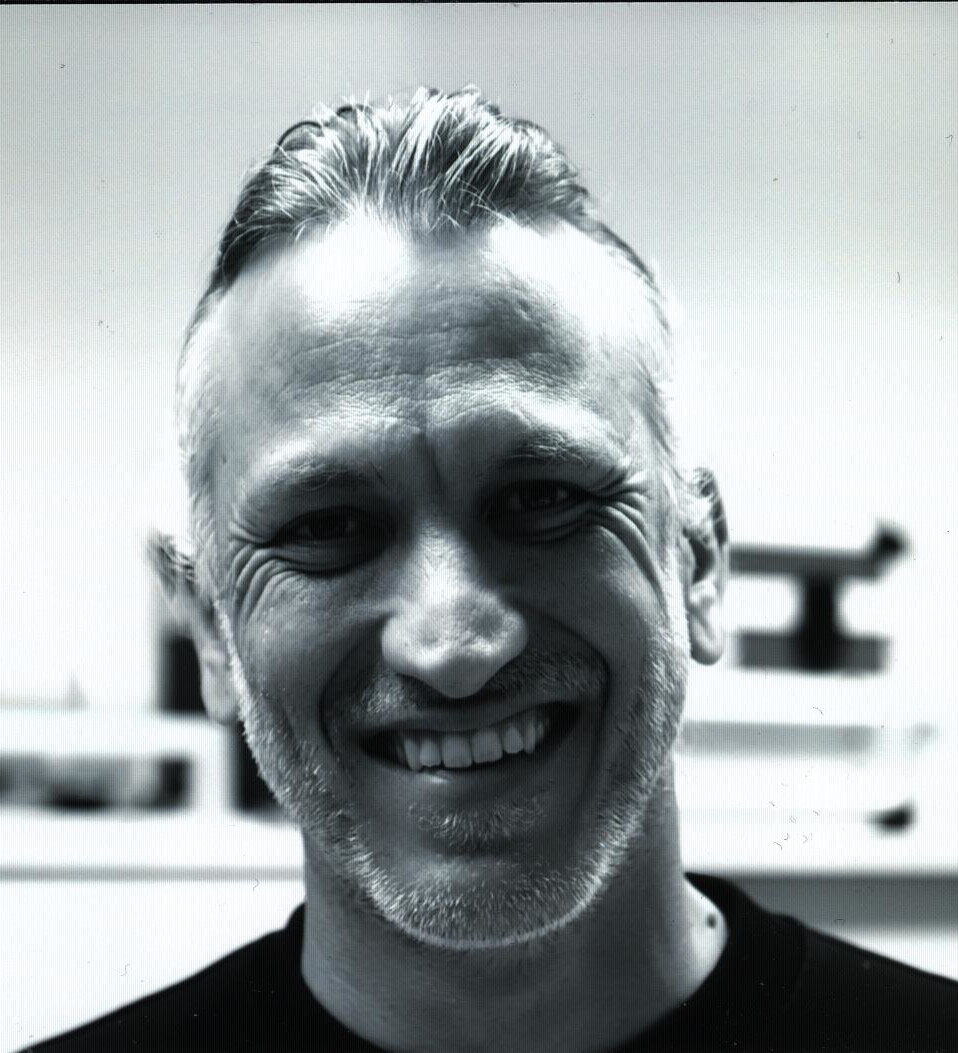
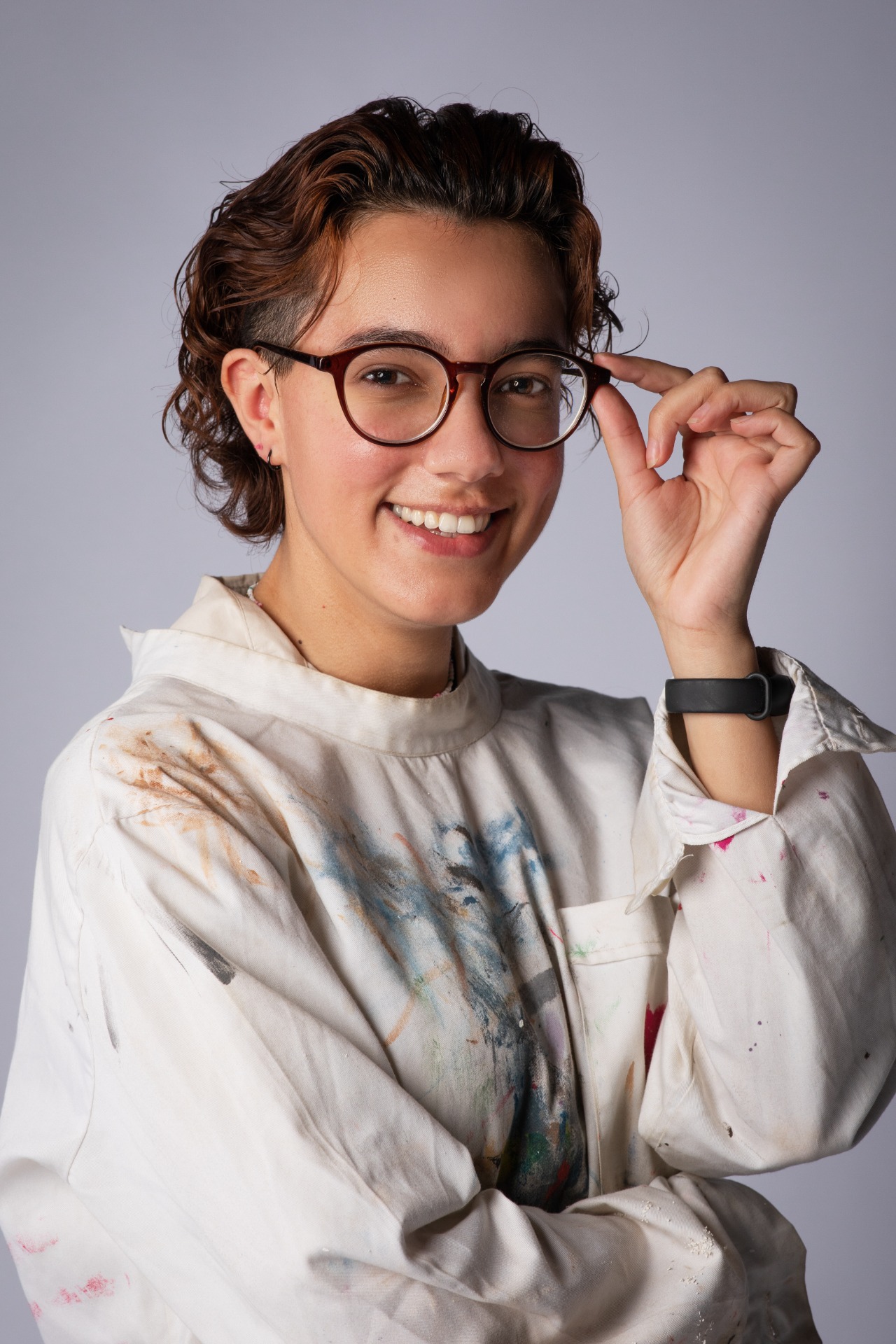
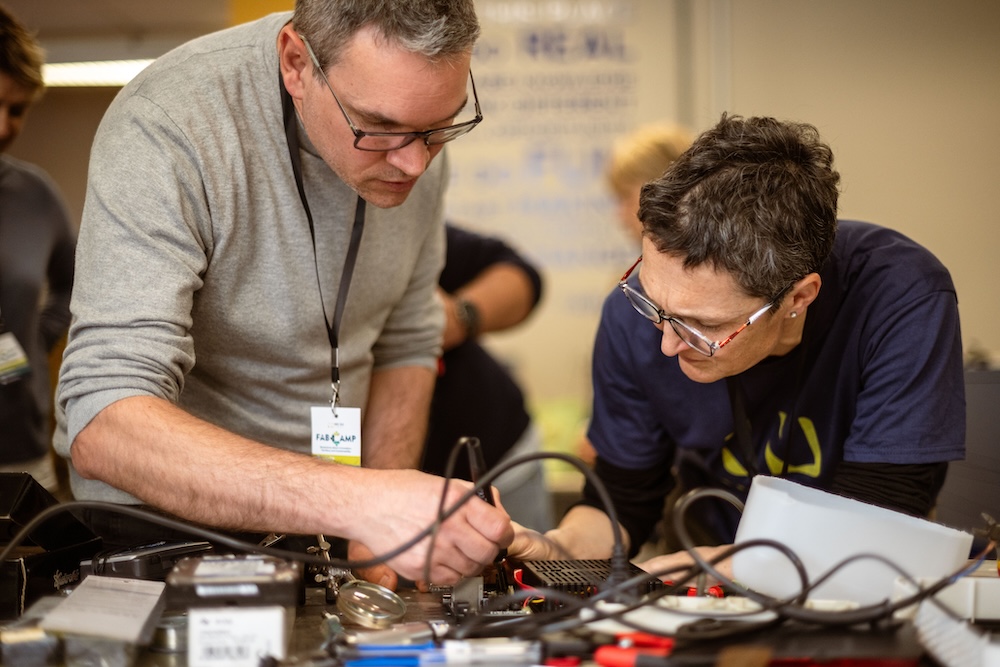
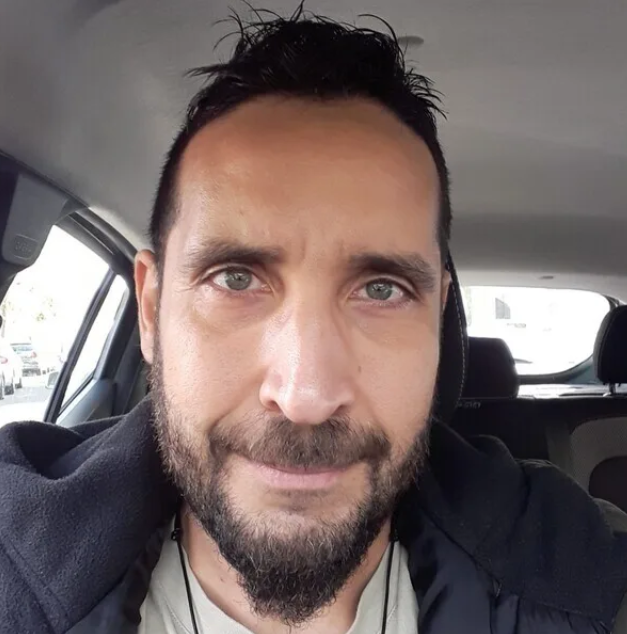
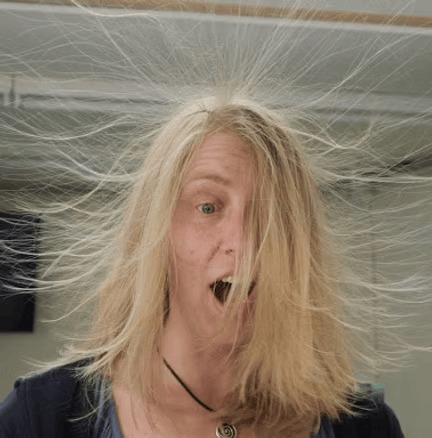
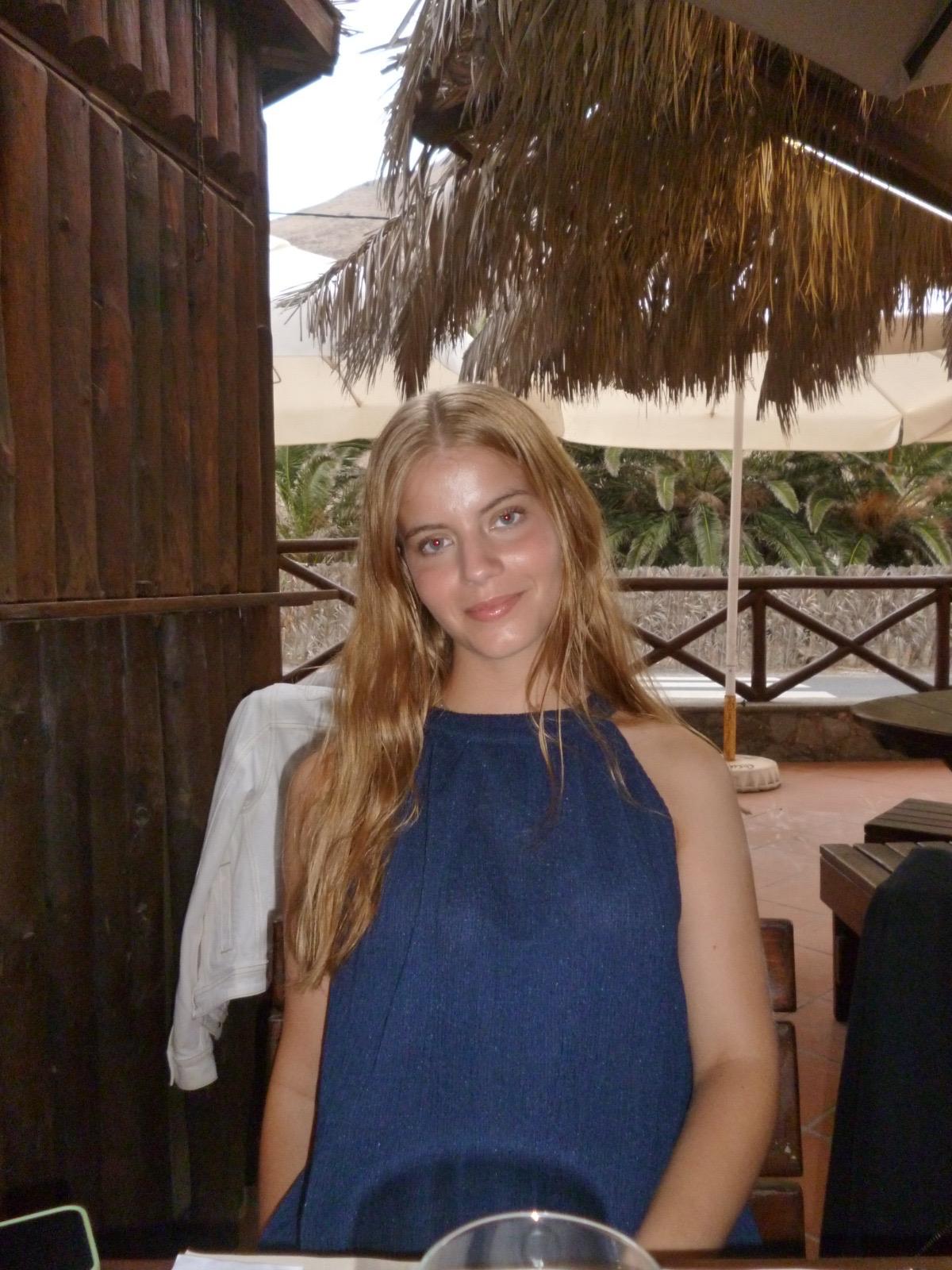
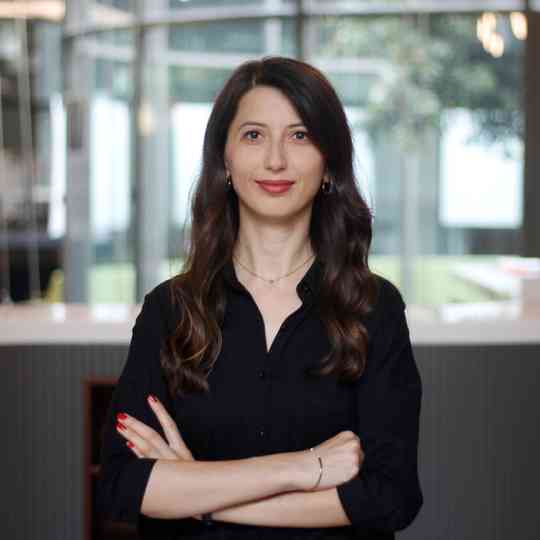
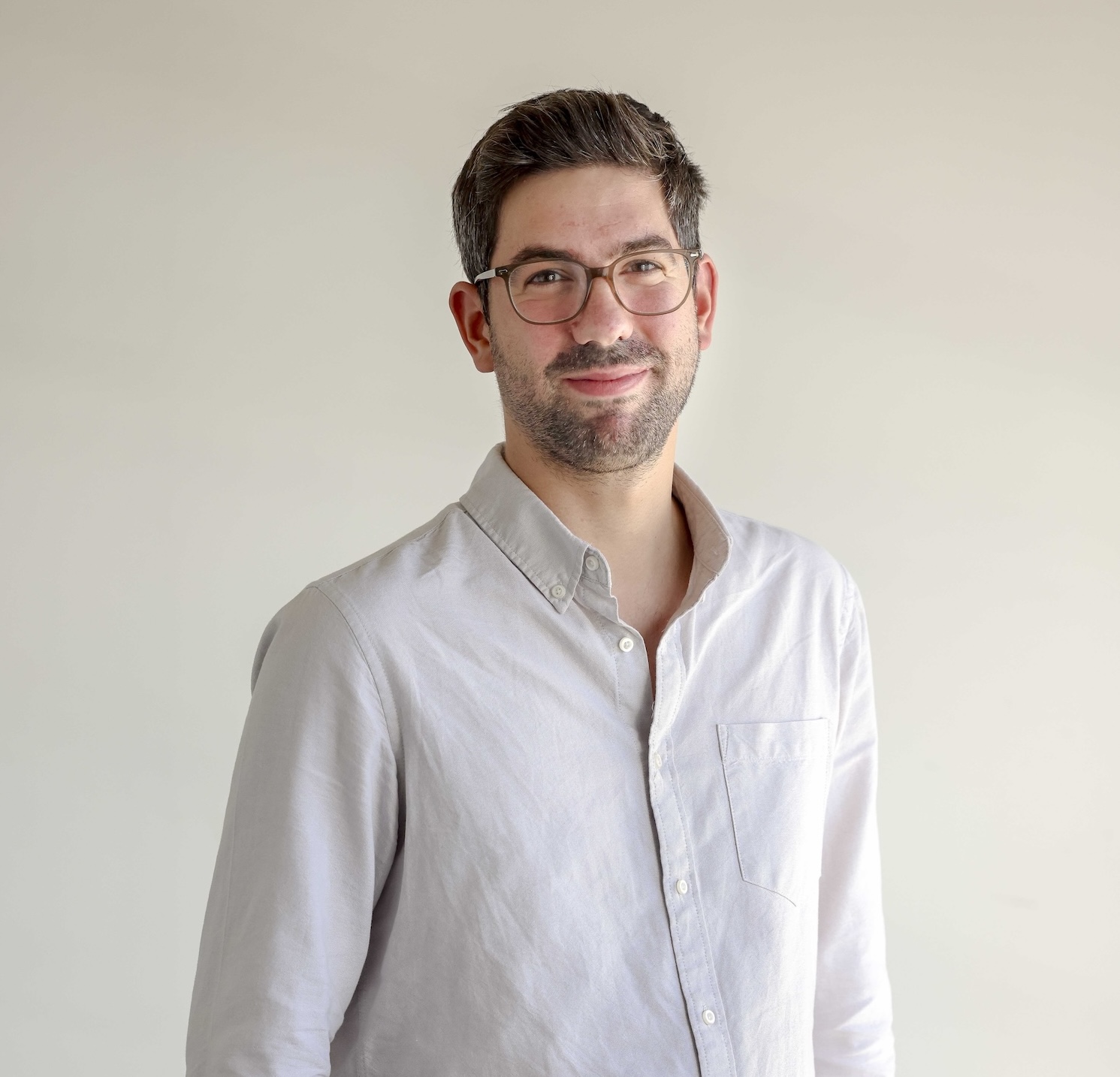
No fim, haverá um relatório final que pretende descrever o estado do projeto e as possibilidades de futuro. A Liz, a Hanne e o Mikko, são este ano os responsáveis por esse relatório.
HanneMikko, Oulu universityLiz, Edu FAB
Project Overview & Final Evaluation
This project has been under development since 2026, in partnership with the Henriques Nogueira School Group, the Torres Vedras City Council, and Lab Aberto FAB LAB. It has now reached the autonomy phase and is set to conclude in July during the LAB ABERTO BOOTCAMP 2026, coinciding with the final external evaluation meeting.
Evaluation & Participants
This year, there will be three evaluators—all returning from the 2022 and 2024 editions. The meeting will be attended by everyone who participated, directly or indirectly, in the project’s development, including:
Local government representatives (the municipality);
Companies and private individuals;
The entire educational community.
The Final Report
To wrap up the initiative, a final report will be produced to describe the current state of the project and its future potential. Liz, Hanne, and Mikko are the ones responsible for drafting this report this year.
Espaços que inspiram, Alunos que Criam / Spaces That Inspire, Students Who Create
Alexandra Baltazar, Viva Lab
09:30 Palestra / Talk
Desenhar Espaços Flexiveis de Aprendizagem / Designing Flexible Learning Spaces
Kathrin Smolarczyk, Rhine-Waal University of Applied Sciences
10:00 Debate – Artur Coelho, Lab Aberto FAB LAB
10:30 Intervalo / Break – Biobrake and Networking
Apresentação curta / Pitch Maker Faire Porto, Ricardo Pereira, Viva Lab Porto Free presentation Openfootwear (S9), Juraj Suska, Veronika Krahulikova
Apresentação Oficina corpo e Mente / Presentation workshop Bootcamp on The go: the use of the body
Desconstruir Bordalo – Entre o Digital e o Gestual / Deconstructing Bordalo – Between the Digital and the Gestural (EFA 7)By Tânia AlbuquerqueRestauradora de cerâmica
Exploração prática da forma e da decoração inspiradas na linguagem naturalista de Bordalo Pinheiro, a partir de uma peça previamente impressa em cerâmica 3D.
1º sessão: Impressão 3D do morango Introdução ao processo de impressão 3D em cerâmica, desde o modelo digital até à criação de um morango em argila pronto para trabalhar.
2º sessão: Modelação manual Transformação do morango impresso através de técnicas manuais, explorando formas, texturas e possibilidades criativas a partir da peça-base.
Funcionamento: Esta oficina tem duas partes distintas. Cabe ao participante, tendo em conta o seu interesse, decidir se participa em ambas ou numa apenas.
Local: Escola Secundária Henriques Nogueira, Fab Lab HN, Torres Vedras, Portugal, Europa
A practical exploration of form and decoration inspired by Bordalo Pinheiro’s naturalistic style, based on a piece previously 3D-printed in ceramic.
Session 1: Strawberry 3D Printing
An introduction to the 3D printing process for ceramics, from the digital model to the creation of a ready-to-work clay strawberry.
Session 2: Hand-modelling
Transforming the printed strawberry using manual techniques, exploring shapes, textures and creative possibilities based on the base piece.
How it works:This workshop consists of two distinct parts. Participants may choose, based on their interests, whether to attend both or just one.
Local: Henriques Nogueira Secondary School, Fab Lab HN, Torres Vedras, Portugal, Europe
Festa Arduino / Arduino Party (EFA19)By Domenico Vito / Luis Alberto OstaizaCesano Faber LAB
O Arduino Party é um evento prático e colaborativo onde os participantes trabalham em pequenas equipas para projetar, programar e criar protótipos de uma solução usando Arduino.
Os participantes escolhem um dos três projetos selecionados, desenvolvem um protótipo funcional e o apresentam no final do evento.
Funcionamento: os três momentos desta oficina são independentes, podendo os participantes participar em cada sessão independentemente. Só depende do interesse no assunto. Na festa, à noite, os projetos serão apresentados.
Local: Lab Center, sala Robótica para todos, Torres Vedras, Europa
The Arduino Party is a hands-on collaborative event where participants work in small teams to design, code, and prototype a solution using Arduino. Participants choose one of three selected projects, develop a working prototype, and present it at the end of the event.
How it works: The three parts of this workshop are independent, allowing participants to join each session individually based on their interests. The projects will then be presented during the party in the evening.
Local: Lab Center, sala 20, 21(Robótica para todos), Torres Vedras, Europe
Air Senses (EFA14)By David Sousa / Geuffer GarciaNuclio - Change Makers
Espaços Maker como promotores da cidadania ativa para a sustentabilidade
Nesta oficina vamos aprender a programar o micro:bit para criar uma estação de qualidade do ar.
A oficina terá duas partes: a primeira dedicada aos primeiros passos com o micro:bit – aprender programação básica e como utilizar os sensores integrados no microcontrolador; a segunda parte será dedicada a compreender como é que o micro:bit pode ser utilizado para medir parâmetros ambientais, nomeadamente, de qualidade do ar.
Funcionamento: as duas partes são independentes e podem ser atendidas cada uma por si, tendo em conta o interesse de quem participa.
Local: Lab Center, sala 17, Torres Vedras, Portugal, Europa
Maker Spaces as Promoters of Active Citizenship for Sustainability
In this workshop, we will learn how to program the micro:bit to create an air quality monitor. The workshop will consist of two parts: the first will focus on getting started with the micro:bit—learning basic programming and how to use the microcontroller’s built-in sensors; the second part will focus on understanding how the micro:bit can be used to measure environmental parameters, specifically air quality.
How it works: Both parts are independent and can be attended individually, depending on the participant’s interest.
Local: Lab Center, room 17, Torres Vedras, Portugal, Europe
11:00 - 12:30Tecnologia de fabricação digital (laser) nas aulas de artes / Digital fabrication technology (laser) in art classes (EFA3)By Luís FerreiraProfessor de Artes
A oficina terá como tema a incorporação de tecnologia de fabricação digital (laser) nas aulas de artes, num contexto de problema real de criação de merchandising, com apresentação de resultados e construção prática de um cacho de uvas
Local: Lab Center, sala 5, Torres Vedras, Portugal, Europa
The workshop will focus on incorporating digital fabrication technology (laser) into art classes, within the context of a real-world merchandising design problem, culminating in the presentation of results and the practical construction of a bunch of grapes.
Local: Lab Center, room 5, Torres Vedras, Portugal, Europa
Ninhos, proteger o Chapim-Azul / Nests, protecting the Blue-Tit (EFA5)By FAB LAB HN, Geoparque Oeste, Centro Ambiental e Lab Aberto FAB LABParceria
Neste workshop, iremos construir ninhos e instalá-los no Parque do choupal, para o chapim-azul, uma espécie comum que aproveita facilmente as caixas-ninho colocadas em jardins, parques e zonas arborizadas. Uma caixa-ninho padrão, com uma abertura frontal de 25 mm de diâmetro, é a mais adequada para esta espécie. Embora um chapim-azul possa utilizar uma caixa com uma abertura maior, existe o risco de ser expulso por espécies maiores e mais dominantes, como o chapim-real. Os chapins-azuis têm uma única ninhada por ano, sendo que a maioria dos ovos são postos durante os meses de abril e maio.
Funcionamento: na primeira parte desta oficina, iremos realizar a montagem dos ninhos e na segunda a sua colocação no Parque do Choupal, em Torres Vedras. As duas oficinas são independentes, podendo os participantes assistir às duas, dependendo do seu interesse no assunto.
Local: Escola Secundária Henriques Nogueira, FAB LAB HN / Secondary School Henriques Nogueira, FAB LAB HN, Torres Vedras, Portugal, Europa
In this workshop, we will build and install nest boxes in the Choupal Park for the blue tit, a common species that readily uses nest boxes placed in gardens, parks, and wooded areas. A standard nest box with a 25 mm diameter front opening is best suited for this species. Although a blue tit can use a box with a larger opening, there is a risk of it being expelled by larger, more dominant species, such as the great tit. Blue tits have only one brood per year, with most eggs laid during April and May.
How it works: The first part of this workshop focuses on assembling the nesting boxes, while the second part involves installing them at Parque do Choupal in Torres Vedras. Both sessions are independent, and participants may attend one or both, depending on their interest in the subject.
Location: Henriques Nogueira Secondary School, FAB LAB HN / Torres Vedras, Portugal, Europe
Padrões que nos unem / Patterns that bring us together (EFA10)By Àngel Gallart Portas / Carlos Carrasco BelloProfessor
Apresentação do projecto realizado conjuntamente pelos alunos do Instituto Escola Ângela Bransuela de Mataró e do Agrupamento de Escolas Henriques Nogueira de Torres Vedras e Maxial, no marco do programa Erasmus+.
A partir daqui, cada participante fará voar a sua imaginação para criar uns brincos, um colar, uma chaveiro,… com a condição de incorporar um padrão que tenha visto ou de que goste, da infinidade de azulejos das ruas de Torres Vedras.
Funcionamento: cada parte desta oficina é independente, podendo os participantes assistir a cada uma por si.
Local: Lab center, sala 13, Torres Vedras, Portugal, Europa
Angel, Institut Escola Ângela Bransuela de Mataró e FAIGCarlos, Institut Escola Ângela Bransuela de Mataró e FAIG
Presentation of the project carried out jointly by the students of the Ângela Bransuela School Institute in Mataró (Catalonia) and the Henriques Nogueira School Group in Torres Vedras and Maxial, within the framework of the Erasmus+ program.
From this point on, each participant will let their imagination soar to create earrings, a necklace, a keychain,… on the condition of incorporating a pattern they have seen or liked from the countless tiles on the streets of Torres Vedras.
How it works: Each part of this workshop is independent, and participants may attend them individually.
Local: Lab center, sala 13, Torres Vedras, Portugal, Europe
Faz um banco de paus com ferramentas impressas em 3D / Build a bench out of sticks using 3D-printed tools (EFA4)By Mariana Costa e SilvaProjeto FAZ
Traz 6 paus e FAZ um banco com um afia gigante impresso em 3D e os ligadores também.
Para quê comprar madeira se ela cresce nas árvores? Colhe 3 pés para o teu banco com mais de Ø2,2x55cm e 3 paus para o assento com mais do que Ø1,5x30cm, deixa secar.
Dia 17, na primeira sessão, iremos imprimir um afia lápis gigante para calibrar as pontas dos teus paus e deixá-las perfeitas para encaixar em ligadores impressos. Agora, só falta o assento!
Na segunda sessão, nesse mesmo dia, fazemos o assento!
Funcionamento: as duas sessões são independentes, os participantes podem participar em cada uma por si, mas é aconselhável assistir às duas.
Local: Lab center, sala 9, Torres Vedras, Portugal, Europa
Bring 6 wooden poles and BUILD a bench featuring a giant 3D-printed sharpener and custom 3D-printed joints.bench with 3D printed tools and connectors.
Why buy wood when it grows on trees? Collect 3 pieces for your bench (greater than Ø2.2x55cm) and 3 sticks for the seat (greater than Ø1.5x30cm), let them dry.
On the 17th, in the first part, we will print a giant pencil sharpener to calibrate the tips of your sticks and make them perfect for fitting into printed connectors. Now, all that’s missing is the seat!
In the same day, in the second part we will make it!
Local: Lab center, room 9, Torres Vedras, Portugal, Europe
11:00 - 15:30«Imaginem que…» Cinema de Animação e Design Thinking / “Imagine that…” Animation and Design Thinking (EFA12)By Francisco Lança / Joana ImaginárioArte Estúdio Imaginário
As oficinas «Imaginem que….» precisam de curiosos que aceitem explorar, complicar, colaborar e errar.
Sessão 1: Vamos materializar, animar e mostrar, num processo de troca – feedback; interação; reação.
Sessão 2: Através do cinema de animação, do suporte da tecnologia, dos conceitos do design thinking e pensamento visual, o processo criativo será o convidado especial no «Bootcamp…»
Funcionamento: é aconselhável aos participantes estarem nas duas sessões, embora seja possível, assistiram a cada uma individualmente.
Local: Escola Secundária Henriques Nogueira, Fab LAB HN, Estúdio TV, Torres Vedras, Portugal, Europa
The “Imagine That…” workshops need curious individuals willing to explore, complicate, collaborate, and make mistakes. We will materialize, animate, and showcase, in a process of exchange – feedback, , and reaction.
Through animated film, technological support, and the concepts of design thinking and visual thinking, the creative process will be the special guest at the “Bootcamp…”
How it works: We recommend attending both sessions; however, it is possible to join each one individually.
Local: Escola Secundária Henriques Nogueira, Fab LAB HN, Estúdio TV, Torres Vedras, Portugal, Europe
Imagina um mundo onde a eletricidade flui sem qualquer resistência, como um rio perfeito sem pedras no caminho. Nesta oficina de 90 minutos sobre Supercondutividade em Espaços Flexíveis, vais “sentir” esse fenómeno quântico incrível através de uma dinâmica corporal única com cadeiras — criando corredores de “resistência” e “zero resistência” que mostram na pele como os elétrões dançam sem atrito. Para professores e makers que querem aulas vivas sem equipamento caro, saís com um kit prático pronto para transformar as vossas salas de aula e Fab Labs em espaços de aprendizagem inesquecíveis. Inscreve-te e leva a magia da ciência para os teus alunos!
Local: Lab Center, sala 12
Imagine a world where electricity flows with zero resistance, like a perfect river without a single stone in its path. In this 90-minute workshop on Superconductivity in Flexible Learning Spaces, you’ll “feel” this incredible quantum phenomenon through a unique embodied activity with chairs—creating corridors of “resistance” and “zero resistance” that show on your skin how electrons dance without friction. For teachers and makers who want lively lessons without expensive equipment, you’ll leave with a ready-to-use practical kit to transform your classrooms and Fab Labs into unforgettable learning spaces. Sign up and bring the magic of science to your students!
Histórias ao Telefone de Gianni Rodari / Gianni Rodari phone story telling (EFA18)By Massimiliano Ferré e Alessandro CerutiWe do FAB LAB
“By making mistakes, we invent.” – Gianni Rodari.
Hacking Rodari’s Phone Reimagining a Vintage Rotary Phone through Creativity, Electronics & Imagination
The children choose a number and listen to thestory. A strategy advocated by the educator Gianni Rodari
🚀 Why Join? Because sometimes the best way to learn… is to take something old, rethink it, and invent something new. Ideal for makers, educators, creatives, and curious minds
Local: sala 4, Lab Center
Hosted by We Do Fablab – Omegna, Italy A creative hub where technology, education, and imagination meet.
A Tribute to Gianni Rodari Gianni Rodari (1920–1980), born in Omegna, Italy, was one of the most influential authors of children’s literature and a pioneer of creative education. Through imagination, play, and “fantastic thinking,” Rodari taught generations how to see mistakes not as failures, but as opportunities. “By making mistakes we learn — that’s an old proverb. The new one could be: by making mistakes, we invent.” This workshop is inspired by his philosophy: learning through experimentation, creativity, and playful exploration.
The Workshop Hacking Rodari’s Phone is a hands-on, experimental workshop where participants will transform a vintage rotary phone into an interactive storytelling device inspired by Rodari’s world of fantasy. Participants will: – Disassemble and explore a real rotary telephone – Rewire and connect new electronics based on Arduino – Learn basic electronics, wiring, and soldering – Program interactions using visual block-based coding – Turn the phone into a playful interface that triggers sounds, stories, or unexpected behaviors – The goal is not just technical: it’s about inventing new meanings from old objects.
Learning Approach Hands-on & experimental Creative and narrative-driven Educational and accessible (block-based coding) Blending analog and digital worlds Even though the project has medium complexity, the workshop is designed to be inclusive and engaging, regardless of prior experience.
📦 Materials & Equipment All necessary materials, tools, and electronic components — including the vintage rotary phones — will be provided and available for use throughout the entire duration of the workshop. These resources are shared to support the learning experience and experimentation during the sessions; they are not included as take-home items at the end of the workshop.
Participants Maximum: 12 participants Ideal for makers, educators, creatives, and curious minds
How it works, Duration & Schedule? July 17, Morning: 11:00 – 17:30 In the next day, July 18, if needed, it will happen at the Lab Center, same room
We Do Fablab is a shared space for making, learning, and experimenting, where technology becomes a tool for social, cultural, and environmental impact.
Through digital fabrication, hands-on education, and creative prototyping, it develops projects that promote inclusion, accessibility, and the active involvement of people with different backgrounds and abilities.
The lab pays special attention to disability and participation, designing activities and experiences that value diverse skills and encourage collaboration.
Sustainability is another core element of its vision, explored through educational paths, local actions, reuse practices, and projects connected to environmental awareness.
Deeply rooted in its community, We Do Fablab works with schools, associations, citizens, and institutions to create meaningful opportunities for shared growth and innovation.
Bootcamp em movimento: o uso do corpo / Bootcamp on the go: the use of the body (BEM 4)By Carlos GuimarãesPersonal Trainer
Uma sessão de exercícios de mobilidade e equilíbrio ao som do canto dos pássaros na maior área verde da cidade de Torres Vedras com o fito de elevar o seu vigor físico e mental.
Horário e local: a mesma sessão em dois sitios diferentes: dias 17 e 18 de julho, pelas 11h (concentração no auditório da conferência)
A mobility and balance exercise session to the sound of birdsong in the largest green area of the city of Torres Vedras, with the aim of enhancing your physical and mental vigor.
Time and location: the same sessions but on different places: July 17 and 18 at 11 a.m. (meet at the conference auditorium).
Cria o teu bordado com código / Code your embroidery (EFA21)By Nuria MiguelezFAB LAB Leon
Título/Title: Cria o teu bordado com código | Code your embroidery
During the exhibition-fair, we will run a continuous demonstration in a table-workshop format, where participants will be able to create a simple embroidery design and see it brought to life with the embroidery machine.
This workshop will not be held in a classroom format, but as an open and participatory activity during the event. When participants arrive at the table, they will receive the necessary instructions to create their own embroidery design.
During the exhibition-fair, we will run a continuous demonstration in a table-workshop format, where participants will be able to create a simple embroidery design and see it brought to life with the embroidery machine.
This workshop will not be held in a classroom format, but as an open and participatory activity during the event. When participants arrive at the table, they will receive the necessary instructions to create their own embroidery design.
The process will begin with the creation of a design using code blocks, in an environment similar to Scratch. From that design, we will generate an embroidery pattern, which will then be sent to the embroidery machine and produced during the exhibition itself.
Participants will be able to use the computer available at the workshop table or bring their own laptop if they prefer.
The activity is designed as a practical and accessible introduction to digital embroidery, combining creativity, visual programming, and digital fabrication in a quick, flexible, and participatory process.
Número máximo de participantes/Number of attendees: 12
What do participants need to bring?
Computer or mobile phone with a google account;
Participants can also create an account here: (https://scratch.sugiura-lab.jp/)
Their enthusiasm to learn.
Desconstruir Bordalo – Entre o Digital e o Gestual / Deconstructing Bordalo – Between the Digital and the Gestural (EFA 7)By Tânia AlbuquerqueRestauradora de cerâmica
Exploração prática da forma e da decoração inspiradas na linguagem naturalista de Bordalo Pinheiro, a partir de uma peça previamente impressa em cerâmica 3D.
1º sessão: Impressão 3D do morango Introdução ao processo de impressão 3D em cerâmica, desde o modelo digital até à criação de um morango em argila pronto para trabalhar.
2º sessão: Modelação manual Transformação do morango impresso através de técnicas manuais, explorando formas, texturas e possibilidades criativas a partir da peça-base.
Funcionamento: Esta oficina tem duas partes distintas. Cabe ao participante, tendo em conta o seu interesse, decidir se participa em ambas ou numa apenas.
Local: Escola Secundária Henriques Nogueira, Fab Lab HN, Torres Vedras, Portugal, Europa
A practical exploration of form and decoration inspired by Bordalo Pinheiro’s naturalistic style, based on a piece previously 3D-printed in ceramic.
Session 1: Strawberry 3D Printing
An introduction to the 3D printing process for ceramics, from the digital model to the creation of a ready-to-work clay strawberry.
Session 2: Hand-modelling
Transforming the printed strawberry using manual techniques, exploring shapes, textures and creative possibilities based on the base piece.
How it works:This workshop consists of two distinct parts. Participants may choose, based on their interests, whether to attend both or just one.
Local: Henriques Nogueira Secondary School, Fab Lab HN, Torres Vedras, Portugal, Europe
14:00 - 15:30Prototipagem de Atividades Educativa / Prototyping Educational Activities (EFA2)By Alexandra Baltazar, Clara PerdigãoViva Lab Porto
A Alexandra, depois da palestra de manhã irá concretizar, numa oficina, com a Clara Perdigão, às 14:00, o que resumiu de manhã.
Workshop de Prototipagem de Atividades Educativas
Neste workshop convidamos educadores e curiosos a pensar, criar e testar novas ideias de aprendizagem através da prototipagem rápida. Utilizando metodologias do movimento Maker e do Design Thinking, os participantes desenvolvem atividades educativas de forma prática, colaborativa e criativa.
Um momento para transformar ideias em experiências educativas inovadoras e explorar novas formas de ensinar e aprender.
Local: Lab Center, sala 27, Torres Vedras, Portugal, Europa
Alexandra Baltazar, VivaLabClara Perdigão, VivaLab
In this workshop, we invite educators and the curious to think, create, and test new learning ideas through rapid prototyping. Using methodologies from the Maker movement and Design Thinking, participants develop educational activities in a practical, collaborative, and creative way.
It is a moment to transform ideas into innovative educational experiences and explore new ways of teaching and learning.
Local: Lab Center, room 27, Torres Vedras, Portugal, Europe
Designing Flexible Learning Spaces: From “Open Doors” to Empowering Pathways in Fab Labs (EFA 1)By Kathrin SmolarczykRhine-Waal University of Applied Sciences
Workshop: Empowering Young Makers: Guiding Children Through Their Own Ideas in Fab Labs : This hands-on workshop shows how to support children and young people in developing and realizing their own ideas in Fab Labs—rather than guiding them through predefined projects. Based on a design thinking onboarding approach, participants learn how to facilitate open, self-directed processes and balance structure with autonomy.
credits: Andi Weiland for MINTvernetzt
Through selected phases of the design thinking cycle, participants experience how to spark intrinsic motivation, support idea development, and mentor in ways that foster autonomy, competence, and belonging. Participants leave with practical strategies to guide young people in creating their own projects and to design empowering learning environments.
Local: Lab Center, room 26, Torres Vedras, Portugal, Europe
Festa Arduino / Arduino Party (EFA19)By Domenico Vito / Luis Alberto OstaizaCesano Faber LAB
O Arduino Party é um evento prático e colaborativo onde os participantes trabalham em pequenas equipas para projetar, programar e criar protótipos de uma solução usando Arduino.
Os participantes escolhem um dos três projetos selecionados, desenvolvem um protótipo funcional e o apresentam no final do evento.
Funcionamento: os três momentos desta oficina são independentes, podendo os participantes participar em cada sessão independentemente. Só depende do interesse no assunto. Na festa, à noite, os projetos serão apresentados.
Local: Lab Center, sala Robótica para todos, Torres Vedras, Europa
The Arduino Party is a hands-on collaborative event where participants work in small teams to design, code, and prototype a solution using Arduino. Participants choose one of three selected projects, develop a working prototype, and present it at the end of the event.
How it works: The three parts of this workshop are independent, allowing participants to join each session individually based on their interests. The projects will then be presented during the party in the evening.
Local: Lab Center, sala 20, 21(Robótica para todos), Torres Vedras, Europe
Air Senses (EFA14)By David Sousa / Geuffer GarciaNuclio - Change Makers
Espaços Maker como promotores da cidadania ativa para a sustentabilidade
Nesta oficina vamos aprender a programar o micro:bit para criar uma estação de qualidade do ar.
A oficina terá duas partes: a primeira dedicada aos primeiros passos com o micro:bit – aprender programação básica e como utilizar os sensores integrados no microcontrolador; a segunda parte será dedicada a compreender como é que o micro:bit pode ser utilizado para medir parâmetros ambientais, nomeadamente, de qualidade do ar.
Funcionamento: as duas partes são independentes e podem ser atendidas cada uma por si, tendo em conta o interesse de quem participa.
Local: Lab Center, sala 17, Torres Vedras, Portugal, Europa
Maker Spaces as Promoters of Active Citizenship for Sustainability
In this workshop, we will learn how to program the micro:bit to create an air quality monitor. The workshop will consist of two parts: the first will focus on getting started with the micro:bit—learning basic programming and how to use the microcontroller’s built-in sensors; the second part will focus on understanding how the micro:bit can be used to measure environmental parameters, specifically air quality.
How it works: Both parts are independent and can be attended individually, depending on the participant’s interest.
Local: Lab Center, room 17, Torres Vedras, Portugal, Europe
Do Pensamento Computacional à IA – micro:bit e CreateAI / From Computational Thinking to AI – micro:bit e CreateAI (EFA13)By Paulo Teixeira / Duarte CrawfordFab Lab EDP
Neste workshop os participantes irão realizar uma Introdução prática à Computação Física e à IA com o microcontrolador BBC micro:bit.
Serão abordados temas como a algoritmia com blocos, manipulação de variáveis, estruturas de dados (vetor e matriz), comunicação rádio, programação concorrente e modelos de aprendizagem automática.
Os participantes precisam: 1 PC portátil com aplicação Microsoft MakeCode instalada da MS Store (link para a app) e ligação à internet, preferencialmente.
Funcionamento: Esta oficina tem dois módulos. No módulo 1 será feita uma introdução ao microbit com exemplos práticos; no segundo módulo serão abordados conceitos mais avançados. Os dois módulos são independentes. Contudo, no módulo 2 os participantes têm de possuir conhecimento prévio do micro:bit, pelo que se recomenda participar em ambos pois são complementares.
Local: Lab Center, Sala 11, Torres Vedras, Portugal, Europa
Paulo Teixeira, FAB LAB EDPDuarte, FAB LAB EDP
The participants need to prepare:Laptop with the Microsoft MakeCode app installed from the Microsoft Store (link to the app):
How it works: This workshop consists of two modules. Module 1 provides an introduction to the micro:bit with practical examples; Module 2 covers more advanced concepts. The two modules are independent of each other. However, for Module 2, participants must have prior knowledge of the micro:bit, so it is recommended that you attend both modules, as they complement each other.will be covered.
Local: Lab Center, room 11, Torres Vedras, Portugal, Europa
Ninhos, proteger o Chapim-Azul / Nests, protecting the Blue-Tit (EFA5)By FAB LAB HN, Geoparque Oeste, Centro Ambiental e Lab Aberto FAB LABParceria
Neste workshop, iremos construir ninhos e instalá-los no Parque do choupal, para o chapim-azul, uma espécie comum que aproveita facilmente as caixas-ninho colocadas em jardins, parques e zonas arborizadas. Uma caixa-ninho padrão, com uma abertura frontal de 25 mm de diâmetro, é a mais adequada para esta espécie. Embora um chapim-azul possa utilizar uma caixa com uma abertura maior, existe o risco de ser expulso por espécies maiores e mais dominantes, como o chapim-real. Os chapins-azuis têm uma única ninhada por ano, sendo que a maioria dos ovos são postos durante os meses de abril e maio.
Funcionamento: na primeira parte desta oficina, iremos realizar a montagem dos ninhos e na segunda a sua colocação no Parque do Choupal, em Torres Vedras. As duas oficinas são independentes, podendo os participantes assistir às duas, dependendo do seu interesse no assunto.
Local: Escola Secundária Henriques Nogueira, FAB LAB HN / Secondary School Henriques Nogueira, FAB LAB HN, Torres Vedras, Portugal, Europa
In this workshop, we will build and install nest boxes in the Choupal Park for the blue tit, a common species that readily uses nest boxes placed in gardens, parks, and wooded areas. A standard nest box with a 25 mm diameter front opening is best suited for this species. Although a blue tit can use a box with a larger opening, there is a risk of it being expelled by larger, more dominant species, such as the great tit. Blue tits have only one brood per year, with most eggs laid during April and May.
How it works: The first part of this workshop focuses on assembling the nesting boxes, while the second part involves installing them at Parque do Choupal in Torres Vedras. Both sessions are independent, and participants may attend one or both, depending on their interest in the subject.
Location: Henriques Nogueira Secondary School, FAB LAB HN / Torres Vedras, Portugal, Europe
Padrões que nos unem / Patterns that bring us together (EFA10)By Àngel Gallart Portas / Carlos Carrasco BelloProfessor
Apresentação do projecto realizado conjuntamente pelos alunos do Instituto Escola Ângela Bransuela de Mataró e do Agrupamento de Escolas Henriques Nogueira de Torres Vedras e Maxial, no marco do programa Erasmus+.
A partir daqui, cada participante fará voar a sua imaginação para criar uns brincos, um colar, uma chaveiro,… com a condição de incorporar um padrão que tenha visto ou de que goste, da infinidade de azulejos das ruas de Torres Vedras.
Funcionamento: cada parte desta oficina é independente, podendo os participantes assistir a cada uma por si.
Local: Lab center, sala 13, Torres Vedras, Portugal, Europa
Angel, Institut Escola Ângela Bransuela de Mataró e FAIGCarlos, Institut Escola Ângela Bransuela de Mataró e FAIG
Presentation of the project carried out jointly by the students of the Ângela Bransuela School Institute in Mataró (Catalonia) and the Henriques Nogueira School Group in Torres Vedras and Maxial, within the framework of the Erasmus+ program.
From this point on, each participant will let their imagination soar to create earrings, a necklace, a keychain,… on the condition of incorporating a pattern they have seen or liked from the countless tiles on the streets of Torres Vedras.
How it works: Each part of this workshop is independent, and participants may attend them individually.
Local: Lab center, sala 13, Torres Vedras, Portugal, Europe
14:00 - 18:00Introdução à Visão Computacional/ Intro Computer Vision (EFA8)By David RodriguesProfessor IPLeiria
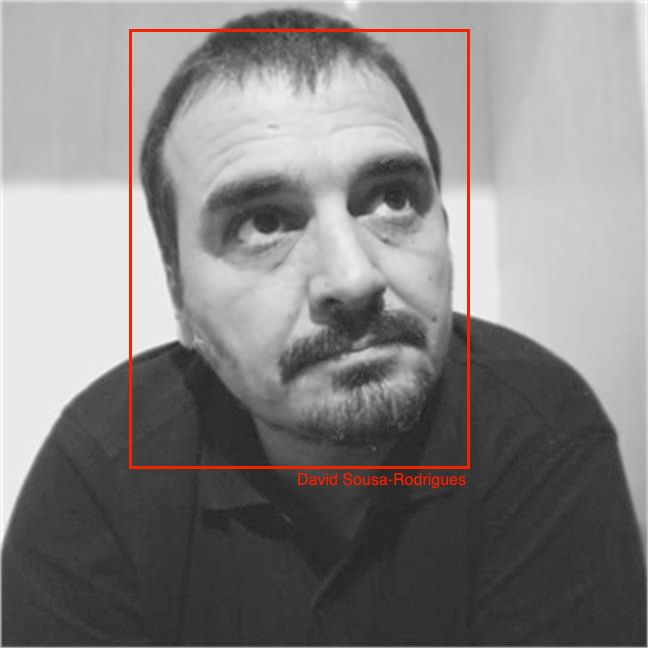
A oficina introduz os participantes à Visão Computacional e ao desenvolvimento de sistemas inteligentes autónomos. De forma prática e acessível a iniciantes, aborda aplicações como deteção de objetos, controlo de qualidade e navegação autónoma. Inclui exercícios em computador e exemplos reais, como o barco autónomo Aqua, permitindo aos participantes experimentar e compreender os conceitos na prática.
Funcionamento: esta oficina será complementada pela outra que acontece às 16:00, dinamizada também pelo David Rodrigues, mas são independentes.
Local: Lab Center, sala 5, Torres Vedras, Portugal, Europa
This workshop introduces participants to Computer Vision and the development of autonomous intelligent systems. In a practical and accessible way for beginners, it covers applications such as object detection, quality control, and autonomous navigation. It includes computer exercises and real-world examples, such as the Aqua autonomous boat, allowing participants to experience and understand the concepts in practice.
How it works: This workshop will be complemented by another session at 4:00 PM, also led by David Rodrigues, but both are independent.
Local: Lab Center, room 5, Torres Vedras, Portugal, Europe
14:00 - 15:30De resíduos a bioplástico / From waste to bioplastic (EFA6)By Rafael Calado / Magda BarreiraArquiteto / Técnica de Laboratório - Bio Lab Lisboa
De resíduos a bioplástico – vamos pôr as mãos na massa e aprender a fazer bioplásticos usando materiais descartados da indústria alimentar ou da nossa cozinha, aprenderemos algumas receitas simples e intuitivas de forma a motivar os jovens e não só para a potencialidade de muito a que chamamos lixo de ainda poder ter uma vida útil antes da compostagem, materiais que podemos utilizar e descartar sem impacto ambiental.
Local: Lab Center, sala 12, Torres Vedras, Portugal, Europa
From waste to bioplastics – let’s get our hands dirty and learn how to make bioplastics using discarded materials from the food industry or our own kitchens. We’ll learn some simple and intuitive recipes to motivate young people and others to see the potential of much of what we call waste, which can still have a useful life before composting – materials that we can use and dispose of without environmental impact.
Local: Lab Center, room 12, Torres Vedras, Portugal, Europe
Faz um banco de paus com ferramentas impressas em 3D / Build a bench out of sticks using 3D-printed tools (EFA4)By Mariana Costa e SilvaProjeto FAZ
Traz 6 paus e FAZ um banco com um afia gigante impresso em 3D e os ligadores também.
Para quê comprar madeira se ela cresce nas árvores? Colhe 3 pés para o teu banco com mais de Ø2,2x55cm e 3 paus para o assento com mais do que Ø1,5x30cm, deixa secar.
Dia 17, na primeira sessão, iremos imprimir um afia lápis gigante para calibrar as pontas dos teus paus e deixá-las perfeitas para encaixar em ligadores impressos. Agora, só falta o assento!
Na segunda sessão, nesse mesmo dia, fazemos o assento!
Funcionamento: as duas sessões são independentes, os participantes podem participar em cada uma por si, mas é aconselhável assistir às duas.
Local: Lab center, sala 9, Torres Vedras, Portugal, Europa
Bring 6 wooden poles and BUILD a bench featuring a giant 3D-printed sharpener and custom 3D-printed joints.bench with 3D printed tools and connectors.
Why buy wood when it grows on trees? Collect 3 pieces for your bench (greater than Ø2.2x55cm) and 3 sticks for the seat (greater than Ø1.5x30cm), let them dry.
On the 17th, in the first part, we will print a giant pencil sharpener to calibrate the tips of your sticks and make them perfect for fitting into printed connectors. Now, all that’s missing is the seat!
In the same day, in the second part we will make it!
Local: Lab center, room 9, Torres Vedras, Portugal, Europe
11:00 - 15:30«Imaginem que…» Cinema de Animação e Design Thinking / “Imagine that…” Animation and Design Thinking (EFA12)By Francisco Lança / Joana ImaginárioArte Estúdio Imaginário
As oficinas «Imaginem que….» precisam de curiosos que aceitem explorar, complicar, colaborar e errar.
Sessão 1: Vamos materializar, animar e mostrar, num processo de troca – feedback; interação; reação.
Sessão 2: Através do cinema de animação, do suporte da tecnologia, dos conceitos do design thinking e pensamento visual, o processo criativo será o convidado especial no «Bootcamp…»
Funcionamento: é aconselhável aos participantes estarem nas duas sessões, embora seja possível, assistiram a cada uma individualmente.
Local: Escola Secundária Henriques Nogueira, Fab LAB HN, Estúdio TV, Torres Vedras, Portugal, Europa
The “Imagine That…” workshops need curious individuals willing to explore, complicate, collaborate, and make mistakes. We will materialize, animate, and showcase, in a process of exchange – feedback, , and reaction.
Through animated film, technological support, and the concepts of design thinking and visual thinking, the creative process will be the special guest at the “Bootcamp…”
How it works: We recommend attending both sessions; however, it is possible to join each one individually.
Local: Escola Secundária Henriques Nogueira, Fab LAB HN, Estúdio TV, Torres Vedras, Portugal, Europe
14:00 - 15:30Pop-ups com a plotter de corte / Pop-ups made with a cutting plotter (EFA15)By Olga MoreiraFAB LAB HN, Agrupamento de Escolas Henriques Nogueira
Descrição da Oficina/Workshop Description:
Introdução à criação de pop-ups, com apresentação de exemplos, execução de um objeto simples sem recurso a máquinas (tesoura e cola) e criação de um pop-up em cartolina com recurso a plotter de corte.
Introduction to creating pop-ups, with presentation of examples, making a simple object without the use of machines (scissors and glue), and creating a pop-up in cardboard using a cutting plotter.
Número máximo de participantes/Number of attendees: 6
O que os participantes precisam de trazer?
What do participants need to bring?
Opcional: cartolinas até 250 gr. com as cores que escolherem, tesoura e cola.
Optional: cardstock up to 250 g/m² in the colors of your choice, scissors, and glue.
Histórias ao Telefone de Gianni Rodari / Gianni Rodari phone story telling (EFA18)By Massimiliano Ferré e Alessandro CerutiWe do FAB LAB
“By making mistakes, we invent.” – Gianni Rodari.
Hacking Rodari’s Phone Reimagining a Vintage Rotary Phone through Creativity, Electronics & Imagination
The children choose a number and listen to thestory. A strategy advocated by the educator Gianni Rodari
🚀 Why Join? Because sometimes the best way to learn… is to take something old, rethink it, and invent something new. Ideal for makers, educators, creatives, and curious minds
Local: sala 4, Lab Center
Hosted by We Do Fablab – Omegna, Italy A creative hub where technology, education, and imagination meet.
A Tribute to Gianni Rodari Gianni Rodari (1920–1980), born in Omegna, Italy, was one of the most influential authors of children’s literature and a pioneer of creative education. Through imagination, play, and “fantastic thinking,” Rodari taught generations how to see mistakes not as failures, but as opportunities. “By making mistakes we learn — that’s an old proverb. The new one could be: by making mistakes, we invent.” This workshop is inspired by his philosophy: learning through experimentation, creativity, and playful exploration.
The Workshop Hacking Rodari’s Phone is a hands-on, experimental workshop where participants will transform a vintage rotary phone into an interactive storytelling device inspired by Rodari’s world of fantasy. Participants will: – Disassemble and explore a real rotary telephone – Rewire and connect new electronics based on Arduino – Learn basic electronics, wiring, and soldering – Program interactions using visual block-based coding – Turn the phone into a playful interface that triggers sounds, stories, or unexpected behaviors – The goal is not just technical: it’s about inventing new meanings from old objects.
Learning Approach Hands-on & experimental Creative and narrative-driven Educational and accessible (block-based coding) Blending analog and digital worlds Even though the project has medium complexity, the workshop is designed to be inclusive and engaging, regardless of prior experience.
📦 Materials & Equipment All necessary materials, tools, and electronic components — including the vintage rotary phones — will be provided and available for use throughout the entire duration of the workshop. These resources are shared to support the learning experience and experimentation during the sessions; they are not included as take-home items at the end of the workshop.
Participants Maximum: 12 participants Ideal for makers, educators, creatives, and curious minds
How it works, Duration & Schedule? July 17, Morning: 11:00 – 17:30 In the next day, July 18, if needed, it will happen at the Lab Center, same room
We Do Fablab is a shared space for making, learning, and experimenting, where technology becomes a tool for social, cultural, and environmental impact.
Through digital fabrication, hands-on education, and creative prototyping, it develops projects that promote inclusion, accessibility, and the active involvement of people with different backgrounds and abilities.
The lab pays special attention to disability and participation, designing activities and experiences that value diverse skills and encourage collaboration.
Sustainability is another core element of its vision, explored through educational paths, local actions, reuse practices, and projects connected to environmental awareness.
Deeply rooted in its community, We Do Fablab works with schools, associations, citizens, and institutions to create meaningful opportunities for shared growth and innovation.
Festa Arduino / Arduino Party (EFA19)By Domenico Vito / Luis Alberto OstaizaCesano Faber LAB
O Arduino Party é um evento prático e colaborativo onde os participantes trabalham em pequenas equipas para projetar, programar e criar protótipos de uma solução usando Arduino.
Os participantes escolhem um dos três projetos selecionados, desenvolvem um protótipo funcional e o apresentam no final do evento.
Funcionamento: os três momentos desta oficina são independentes, podendo os participantes participar em cada sessão independentemente. Só depende do interesse no assunto. Na festa, à noite, os projetos serão apresentados.
Local: Lab Center, sala Robótica para todos, Torres Vedras, Europa
The Arduino Party is a hands-on collaborative event where participants work in small teams to design, code, and prototype a solution using Arduino. Participants choose one of three selected projects, develop a working prototype, and present it at the end of the event.
How it works: The three parts of this workshop are independent, allowing participants to join each session individually based on their interests. The projects will then be presented during the party in the evening.
Local: Lab Center, sala 20, 21(Robótica para todos), Torres Vedras, Europe
Do Pensamento Computacional à IA – micro:bit e CreateAI / From Computational Thinking to AI – micro:bit e CreateAI (EFA13)By Paulo Teixeira / Duarte CrawfordFab Lab EDP
Neste workshop os participantes irão realizar uma Introdução prática à Computação Física e à IA com o microcontrolador BBC micro:bit.
Serão abordados temas como a algoritmia com blocos, manipulação de variáveis, estruturas de dados (vetor e matriz), comunicação rádio, programação concorrente e modelos de aprendizagem automática.
Os participantes precisam: 1 PC portátil com aplicação Microsoft MakeCode instalada da MS Store (link para a app) e ligação à internet, preferencialmente.
Funcionamento: Esta oficina tem dois módulos. No módulo 1 será feita uma introdução ao microbit com exemplos práticos; no segundo módulo serão abordados conceitos mais avançados. Os dois módulos são independentes. Contudo, no módulo 2 os participantes têm de possuir conhecimento prévio do micro:bit, pelo que se recomenda participar em ambos pois são complementares.
Local: Lab Center, Sala 11, Torres Vedras, Portugal, Europa
Paulo Teixeira, FAB LAB EDPDuarte, FAB LAB EDP
The participants need to prepare:Laptop with the Microsoft MakeCode app installed from the Microsoft Store (link to the app):
How it works: This workshop consists of two modules. Module 1 provides an introduction to the micro:bit with practical examples; Module 2 covers more advanced concepts. The two modules are independent of each other. However, for Module 2, participants must have prior knowledge of the micro:bit, so it is recommended that you attend both modules, as they complement each other.will be covered.
Local: Lab Center, room 11, Torres Vedras, Portugal, Europa
16:00 - 17:30Visão Computacional em veículos autónomos / Computer Vision on autonomous Vehicles (EFA8)By David RodriguesProfessor IPLeiria
O objetivo desta oficina é introduzir os participantes à problemática de como construir sistemas inteligentes autónomos, nomeadamente sistemas com mobilidade (robôs, veículos automóveis, drones voadores, barcos).
A Oficina procurará explorar o tópico baseado na experiência da produção de sistemas baseados em visão para o barco autónomo Aqua.
A Oficina será realizada numa perspetiva prática, sendo apresentados pequenos problemas ilustrativos, cuja resolução poderá ser experimentada pelos participantes.
Funcionamento: esta oficina complementa a anterior realizada às 14:00, dinamizada pelo David Rodrigues, mas é independente.
Local: Lab center, Sala 5, Torres Vedras, Portugal, Europa
The goal of this workshop is to introduce participants to the challenges of building autonomous intelligent systems, particularly mobile systems (robots, automobiles, drones, and boats). The workshop will explore this topic based on the experience of developing vision-based systems for the autonomous boat Aqua.
The workshop will take a hands-on approach, presenting short illustrative problems that participants will have the opportunity to solve themselves.
How it works: This workshop complements the previous 2:00 PM session led by David Rodrigues, but it is independent.
Local: Lab center, room 5, Torres Vedras, Portugal, Europe
16:00 - 17:30Olaria Cabo Verde / Cabo Verde Pottery (EFA 9)By Isabel Tavares e Virginia fróisFAB LAB Lisboa
DAR FALA
Circular e Partilhar. Olaria feita por mulheres. Em Cabo Verde. E agora em Portugal (?)
Virgínia Fróis e Isabel Tavares (Laitina)
Sinopse
A olaria migrou para Lisboa, acolhida na carpintaria do FAB LAB Lisboa, ganhou o reconhecimento. A oleira transmitiu a outros a alegria do saber fazer e nessa ação cultural, acrescentou novas dimensões a este espaço.
Falaremos e mostraremos o fazer da olaria de origem cabo-verdiana, na sua génese feita por mulheres. Começaremos por mostrar o lugar de Trás di munti, no extremo norte da Ilha de Santiago. Mostraremos a vida desta comunidade, as suas artes. As oficinas das três mestras oleiras: Saturnina, Pascoalina e Isabel.
Apresentaremos as ideias que permitiram criar o Centro de Artes e Ofícios, os processos para dar continuidade à transmissão de conhecimento da olaria, o reconhecer e dar visibilidade, a cooperação.
Em Torres Vedras a oleira, no seu silêncio, fará os gestos de colocar e afeiçoar o barro, com a atenção e as mãos dará uso às suas ferramentas naturais, veremos os objetos que nos conectam ao tempo da invenção da cerâmica. A oleira circula e torno de um centro, rolando o barro e fazendo crescer a parede para ser um recipiente: o pote para água, na entrada da sua casa, ojarrinho colocado sobre a sua mesa com água fresca, o prato para a cachupa e obinde onde faz o cuscuz, de todos os dias, acompanhado com leite dormido das suas vacas.
DAR FALA
Share and spread the word. Pottery made by women. In Cape Verde. And now in Portugal (?)
Virgínia Fróis and Isabel Tavares (Laitina)
The pottery workshop moved to Lisbon, finding a home in the woodshop at FAB LAB Lisboa, where it gained recognition. The potter shared the joy of her craft with others, and through this cultural initiative, she added new dimensions to the space.
We will discuss and demonstrate the craft of Cape Verdean pottery, focusing on its origins as a tradition created by women. We will begin by visiting the village of Trás di munti, on the northern tip of Santiago Island. We will explore the life of this community and its arts, including the workshops of the three master potters: Saturnina, Pascoalina, and Isabel.
We will present the ideas that led to the creation of the Arts and Crafts Center, the processes for continuing to pass on pottery-making knowledge, and the importance of recognition, visibility, and cooperation.
In Torres Vedras, the potter, in silence, will perform the gestures of shaping and smoothing the clay; with care and skill, she will use her natural tools, and we will see the objects that connect us to the era when pottery was first invented.The potter circles and spins around a central point, rolling the clay and building up the walls to form a vessel: the water jug at the entrance to your home, the small jar placed on your table filled with fresh water, the plate for the cachupa, and the pot where you make couscous every day, served with fresh milk from your cows.
local: Lab Center, Sala 9 / Room 9
Histórias ao Telefone de Gianni Rodari / Gianni Rodari phone story telling (EFA18)By Massimiliano Ferré e Alessandro CerutiWe do FAB LAB
“By making mistakes, we invent.” – Gianni Rodari.
Hacking Rodari’s Phone Reimagining a Vintage Rotary Phone through Creativity, Electronics & Imagination
The children choose a number and listen to thestory. A strategy advocated by the educator Gianni Rodari
🚀 Why Join? Because sometimes the best way to learn… is to take something old, rethink it, and invent something new. Ideal for makers, educators, creatives, and curious minds
Local: sala 4, Lab Center
Hosted by We Do Fablab – Omegna, Italy A creative hub where technology, education, and imagination meet.
A Tribute to Gianni Rodari Gianni Rodari (1920–1980), born in Omegna, Italy, was one of the most influential authors of children’s literature and a pioneer of creative education. Through imagination, play, and “fantastic thinking,” Rodari taught generations how to see mistakes not as failures, but as opportunities. “By making mistakes we learn — that’s an old proverb. The new one could be: by making mistakes, we invent.” This workshop is inspired by his philosophy: learning through experimentation, creativity, and playful exploration.
The Workshop Hacking Rodari’s Phone is a hands-on, experimental workshop where participants will transform a vintage rotary phone into an interactive storytelling device inspired by Rodari’s world of fantasy. Participants will: – Disassemble and explore a real rotary telephone – Rewire and connect new electronics based on Arduino – Learn basic electronics, wiring, and soldering – Program interactions using visual block-based coding – Turn the phone into a playful interface that triggers sounds, stories, or unexpected behaviors – The goal is not just technical: it’s about inventing new meanings from old objects.
Learning Approach Hands-on & experimental Creative and narrative-driven Educational and accessible (block-based coding) Blending analog and digital worlds Even though the project has medium complexity, the workshop is designed to be inclusive and engaging, regardless of prior experience.
📦 Materials & Equipment All necessary materials, tools, and electronic components — including the vintage rotary phones — will be provided and available for use throughout the entire duration of the workshop. These resources are shared to support the learning experience and experimentation during the sessions; they are not included as take-home items at the end of the workshop.
Participants Maximum: 12 participants Ideal for makers, educators, creatives, and curious minds
How it works, Duration & Schedule? July 17, Morning: 11:00 – 17:30 In the next day, July 18, if needed, it will happen at the Lab Center, same room
We Do Fablab is a shared space for making, learning, and experimenting, where technology becomes a tool for social, cultural, and environmental impact.
Through digital fabrication, hands-on education, and creative prototyping, it develops projects that promote inclusion, accessibility, and the active involvement of people with different backgrounds and abilities.
The lab pays special attention to disability and participation, designing activities and experiences that value diverse skills and encourage collaboration.
Sustainability is another core element of its vision, explored through educational paths, local actions, reuse practices, and projects connected to environmental awareness.
Deeply rooted in its community, We Do Fablab works with schools, associations, citizens, and institutions to create meaningful opportunities for shared growth and innovation.
11:00 - 12:30Security mind set on school FAB LAB (EFA17)
A strong safety mindset in a school FabLab is essential for transforming technical rules into a culture of shared responsibility. By prioritizing awareness, students and teachers can anticipate risks before operating machinery, ensuring everyone’s physical safety. Beyond preventing accidents, this conscious approach fosters autonomy and respect for high-end equipment. Ultimately, a safe environment provides the necessary foundation for creativity and innovation to flourish without unnecessary hazards.
Local: Lab Center, Sala 12, Torres Vedras, Portugal, Europe
Mikko Rajanen, Oulu universityDorina Rajanen
Proceso creativo – Actitudes Maker / Creative process – Maker atitude (EFA22)
[PT]
Com base em quatro propostas, analisaremos o processo criativo maker e as atitudes específicas que emergem em cada um destes processos.
[ENG]
Based on four proposals, we will analyze the maker creative process and the specific attitudes that manifest in each of them.
Formadores / Trainers
Angel Portas e Carlos Bello
19:00 - 21:00Jantar Maker (EFA20)By Olga e MarcoPico dos Sabores
[PT]
Os elementos inscritos terão oportunidade de participar na confecção do jantar a ser servido. Haverá uma estação dedicada a cada componente do menu. Para além das 3 receitas que elaboram o menu, será partilhado com os participantes uma perspectiva culinária que tem por base o respeito pelo ingrediente. O menu trabalhado será o seguinte:
Entrada: Gaspacho;
Prato principal: Meia desfeita de bacalhau;
Sobremesa: Arroz doce
[ENG]
Registered participants will have the opportunity to help prepare the dinner that will be served, with a dedicated station for each component of the menu. In addition to the 3 recipes on the menu, participants will learn a culinary perspective based on respect for the ingredients. The menu will be:
Appetizer: Gazpacho
Main Course:Meia desfeita de bacalhau (shredded codfish with chickpeas)
Dessert: Rice pudding
21:00 - 23:30Festa / PartyBy LAB ABERTO FAB LAB
A festa inicia-se às 21:00 (comidas e bebidas à parte)
Instrumentos Músicais impressos em 3D, Mário Estanislau (a confirmar)
Festa ARDUINO
DJ M80
Cocktails Maker – DIY – (Do It Yourself)
Serviço de bar e snacks
The party starts at 9:00 PM (food and drinks not included):
3D Printed Musical Instruments, Mário Estanislau (to be confirmed)
ARDUINO Party
M80 DJ
Maker Cocktails: make your own!
Snacks and bar services
8:00
11:00
14:00
16:00
18:00
08:00Manhã / Morning
08:00 Receção / Reception
09:00 Palestra / Talk – Pode o trabalho num FabLab satisfazer necessidades psicológicas básicas / Can Working in a Fablab Fulfill Basic Psychological Needs?
Ingrid Modlmayr, ZAM FAB LAB, Erlangen, Germany
09:30 Palestra / Talk – O impacto e a ligação entre FabLabs, incubadoras e universidades / The impact and connection between FabLabs, incubators, and universities
Gulbahar Coskun, Openfab, Universidade Özyeğin
10:00 Debate – André Martins, FAB LAB Lisboa
10:30 Pitch – Ricardo Pereira – Maker Faire Porto
10:40 Intervalo / Break – Biobreak and networking
11:00 - 12:30Sensores para a agricultura / Sensors for agriculture (S4)By Livia PianInvestigadora Smart Farm Colab
Do Espaço para a Terra
A utilização das tecnologias de observação da terra, como os satélites e drones, complementam a sensorização do campo, como estações meteorológicas, sensores do solo e de água, disponibilizando dados e informações que podem transformar a realidade da agricultura.
A oficina irá apresentar estas tecnologias, como pode-se aceder a estes dados gratuitamente e exercícios práticos para o uso dos dados.
Local: Lab Center, sala 11, Torres Vedras, Portugal, Europa
From Space to Earth
The use of Earth observation technologies, such as satellites and drones, complements field sensorization, such as weather stations, soil and water sensors, providing data and information that can transform the reality of agriculture. The workshop will present these technologies, how to access this data for free, and practical exercises for using the data.
Local: Lab Center, room 11, Torres Vedras, Portugal, Europa
11:00 - 12:30Design e Simulação para Impressão 3D em Metal / Design and Simulation for Metal 3D Printing (S3)By Francisco FelicianoMestre em Engenharia Física / Instituto da Soldadura e Qualidade
Oficina direcionada para o design e simulação na preparação de uma produção por fabrico aditivo. Serão introduzidos os princípios básicos de Design for Additive Manufacturing (DfAM), explorando as principais ferramentas e técnicas de modelação 3D. A grande importância da simulação numa cadeia de produção será destacada, sendo apresentados diversos casos de estudo de fabrico aditivo em diversas indústrias.
Local: Lab Center, sala 9, Torres Vedras, Portugal, Europa
This workshop focuses on design and simulation in the preparation of additive manufacturing production. It will introduce the basic principles of Design for Additive Manufacturing (DfAM), exploring the main 3D modeling tools and techniques. The crucial importance of simulation in a production chain will be highlighted, with several case studies of additive manufacturing in various industries presented.
Local: Lab Center, room 9, Torres Vedras, Portugal, Europe
11:00 - 12:30O caminho completo da peça, da impressão 3D à cerâmica acabada / The entire production process, from 3D printing to the finished ceramic piece.(S2)By Tânia AlbuquerqueRestauradora de cerâmica
Nesta oficina, a Tânia irá percorrer todo o processo cerâmico, dando uma visão geral do percurso da peça após a modelação: secagem, cozeduras, acabamentos e cuidados essenciais até ao resultado final.
Escola Secundária henriques Nogueira, FAB LAB HN
In this workshop, Tânia will walk you through the entire ceramic-making process, providing an overview of what happens to the piece after it is shaped: drying, firing, finishing, and essential care tips all the way to the final result.
Local: Henriques Nogueira Secondary School, FAB LAB HN
11:00 - 18:00Calçado OpenSource / OpenFootWear (S9)By Juraj Suska and Veronika Suskova KrahulikovaShoes Designers
O workshop tem como objetivo ensinar a criar os seus próprios sapatos minimalistas em apenas um dia, recorrendo à tecnologia digital. O projeto baseia-se numa abordagem de código aberto e privilegia a sustentabilidade, o comércio justo, o «faça você mesmo» e as tecnologias digitais modernas.
Funcionamento: para produzir o seu sapato, os participantes, ao pagarem os 45 euros, estão a comprar o acesso à oficina e a aquisição do respetivo KIT e terão de participar nas três sessões.
Local: Escola Secundária Henriques Nogueira, FAB LAB HN, Portugal, Europa
The workshop is focused on making your own barefoot shoes in just one day using digital technology. The design is based on an open source approach and focuses on eco, fair trade, DIY and modern digital technologies.
How it works: To produce your own shoes, the €45 fee covers both workshop access and the required kit. Attendance at all three sessions is mandatory.
Local: Escola Secundária Henriques Nogueira, FAB LAB HN, Portugal, Europe
Utiliza os podcasts na tua startup / Use podcasts in your startup (S15)By Ruben MartinsJournalist at Público
Esta oficina foi desenhada para transformar a tua curiosidade numa voz ativa. O objetivo é desmistificar o processo técnico de produção de conteúdos áudio e focar no que realmente importa: contar histórias que prendem e criam uma comunidade.
Funcionamento: Esta oficina tem três sessões independentes. Os participantes podem assistir a cada uma ou às duas, dependendo do interesse no tema.
Local: Escola Secundária Henriques Nogueira, FAB LAB HN, Estúdio TV, Torres Vedras, Portugal, Europa
This workshop is designed to turn your curiosity into an active voice. The goal is to demystify the technical process of producing audio content and focus on what really matters: telling stories that captivate and build a community.
How it works: This workshop consists of two independent sessions. Participants may attend either one or both, depending on their interest in the topic.
Local: Escola Secundária Henriques Nogueira, FAB LAB HN, Estúdio TV, Torres Vedras, Portugal, Europe
Domótica Básica / Basic Home Automation (S17)By Gustavo FunkeMaker
Quer controlar a distância as luzes e a segurança da sua casa pelo telemóvel ou por voz, mas não sabe por onde começar? Neste workshop, vamos desmistificar a domótica!
Você vai aprender a instalar e configurar dispositivos básicos — como lâmpadas smart, tomadas inteligentes e sensores de presença — sem precisar quebrar paredes ou entender de programação. É o primeiro passo para transformar sua rotina com conforto e economia.
Funcionamento: esta oficina tem duas sessões que [quase] se repetem . Pode assistir às duas ou a cada uma, conforme o interesse no tema.
Local: Lab Center, 21, 22 (sala robótica para todos), Torres Vedras, portugal, Europe
Want to control your home’s lighting and security remotely via your phone or voice commands, but don’t know where to start? In this workshop, we’ll demystify home automation! You’ll learn how to install and set up basic devices—such as smart bulbs, smart plugs, and motion sensors—without having to tear down walls or know anything about programming. It’s the first step toward transforming your daily routine with comfort and savings.
How it works: This workshop offers two [almost] repeating sessions. You can attend both or just one, depending on your interest in the topic.
Local: Lab Center, 21, 22 (sala robótica para todos), Torres Vedras, portugal, Europe
Bordado Digital / Digital Embroidery (S12)By Mara, Inês e MárioDigital Embrodery
1) Primeiros passos na máquina de bordar
Nesta sessão vamos começar pelos fundamentos do bordado à máquina, explorando as funções básicas disponíveis na própria máquina. irás personalizar um tote bag com o teu nome/marca.
2) Do computador à máquina de bordar
Nesta sessão vamos aprender a preparar um desenho no computador e a transferir a respectiva matriz para a máquina de bordar. Nesta sessão iremos abordar um emblema em pano crú que poderás aplicar onde quiseres.
3) Aspectos técnicos do bordado
Nesta sessão iremos abordar alguns aspetos técnicos do bordado, bem como os diferentes materiais, linhas metálicas, telas e suportes mais adequados para cada tipo de bordado.
Funcionamento: Este workshop é composto por três partes independentes. Os participantes podem optar por assistir a uma única sessão ou às três, dependendo do seu interesse no tema.
1) Getting Started with the Embroidery Machine
In this session, we’ll start with the basics of machine embroidery, exploring the basic functions available on the machine itself. You’ll personalize a tote bag with your name or brand.
2) From the Computer to the Embroidery Machine
In this session, we’ll learn how to prepare a design on the computer and transfer the pattern to the embroidery machine. We’ll be working on a patch made of unbleached fabric that you can apply wherever you like.
3) Technical aspects of embroidery
In this session, we will discuss some technical aspects of embroidery, as well as the different materials, metallic threads, fabrics, and backings best suited for each type of embroidery.
How it works: This workshop consists of three independent parts. Participants can choose to attend a single session or all three, depending on their interest in the topic.
Local: Pincel Mágico, Torres Vedras, Portugal, Europe
Criando com lã / Crafting with wool (BEM3)By Maria José, Cristina Monteiro, Anemone LetonASTA
Nesta oficina pretendemos criar um espaço de encontro onde possamos refletir e interiorizar, fazendo, sobre a importância do trabalho manual, neste caso com lã de ovelha, para o desenvolvimento intelectual, apaziguamento terapêutico e harmonização psico-motora.
Perceber como a lã, enquanto matéria prima, pode desencadear um processo criativo levando-nos à criação de produtos quer artísticos quer utilitários.
Mostraremos, e exemplificaremos, alguns apetrechos utilizados no tratamento da lã. De seguida faremos peças simples, susceptíveis de serem começadas e acabadas, através de técnicas como a picagem ou feltragem. Depois de arte criada, as mãos aquecidas e a mente desperta, terminaremos com uma dança de roda “A Partilha”.
Funcionamento: Este oficina tem dois horários independentes. Tanto pode escolher os dois como assistir apenas a um. Depende do interesse na área.
Local: sala 15, Lab Center, Torres Vedras, Portugal, Europe
In this workshop, we aim to create a space where we can come together to reflect on and internalize, through hands-on activity, the importance of manual work—in this case, with sheep’s wool—for intellectual development, therapeutic relaxation, and psychomotor coordination.
To understand how wool, as a raw material, can spark a creative process that leads us to create both artistic and utilitarian products.
We will demonstrate and provide examples of some of the tools used in wool processing. Next, we will create simple pieces that can be started and finished using techniques such as needle felting or wet felting. Once the art is created, our hands warmed, and our minds awakened, we will conclude with a circle dance called “A Partilha.”
How it works: This workshop offers two independent sessions. You can choose to attend both or just one, depending on your interest in the subject.
Local: room 15, Lab Center, Torres Vedras, Portugal, Europe
Fundir chocolate em moldes 3D / Casting chocolate into 3D molds (S5)By Ferdinand MeierFAB Academy trainer
Fundir Chocolate em moldes de Gelatina
Esta oficina tem duas partes independentes, quer dizer, os participantes podem escolher participar em ambas ou apenas numa, conforme o interesse.
Local: lab Center, Sala 12
Melting Chocolate in Gelatin Molds
This workshop consists of two separate parts; that is, participants can choose to attend both or just one, depending on their interests.
Local: lab Center, Room 12
11:00 - 12:30Projeto e Desenho 3D em Solidworks para Startups / Solidworks 3D Project and Design for Startups (S13)By Helder Cravo, João HonórioCadnea
Helder CravoJoão Honório
Nesta oficina os participantes irão explorar o SOLIDWORKS e outras aplicações úteis através da plataforma 3DExperience e conhecer os vários programas de apoio ao empreendedorismo da Dassault Systèmes.
Local: Lab Center, Sala 5
In this workshop, participants will explore SOLIDWORKS and other useful applications through the 3DExperience platform and learn about the various entrepreneurship support programs offered by Dassault Systèmes.
Local: Lab Center, room 5
Mãos-na-Massa na calibração de filamentos para impressão 3D / Hands-on filament calibration for 3D printing (S14)By Ricardo PereiraViva Lab
Parte 1: Nesta formação iremos perceber, experimentar e estabelecer um protocolo procedimental para definir perfis de filamentos para a impressão 3D. Explicar a importância da calibração dos materiais. Iremos fazer um exercício prático que demonstra o problema e depois sugerir a sua resolução e testar.
Parte 2: Nesta parte iremos avaliar os resultados da impressão 3D verificados na primeira sessão desta oficina, sistematizando o procedimento. Part 2: In this part, we will evaluate the 3D printing results from the first session of this workshop and formalize the procedure.
A oficina tem duas partes que são independentes, quer dizer, os participantes podem participar em cada uma ou em ambas, conforme o seu interesse.
Local: Lab Center, sala 13
Ricardo Pereira
Part 1: In this training session, we will explore, experiment with, and establish a procedural protocol for defining filament profiles for 3D printing. We will explain the importance of material calibration. We will conduct a hands-on exercise that demonstrates the problem, then suggest a solution and test it.
Part 2: In this section, we will evaluate the 3D printing results from the first session of this workshop and formalize the procedure. Part 2: In this section, we will evaluate the 3D printing results from the first session of this workshop and formalize the procedure.
The workshop consists of two separate parts; that is, participants can attend either one or both, depending on their interests.
Local: Lab Center, room 13
Encardenação Japonesa / Japanese Binding (BEM 2)By Leonor AndradeLua Nova Atelier
Introdução a uma das mais antigas técnicas de encadernação artesanal. Utilizando o ponto à vista ‘yotsumi toji’, vamos aprender esta técnica simples e versátil e aplicá-la na produção de cadernos, livros e álbuns.
Esta oficina é desenvolvida em duas partes dependentes, uma vez que os participantes vão, efetivamente criar um caderno com esta técnica.
Local: Lab Center, sala 11
An introduction to one of the oldest techniques in handcrafted bookbinding. Using the “yotsumi toji” stitch, we will learn this simple and versatile technique and apply it to the creation of notebooks, books, and albums.
This workshop consists of two interconnected parts, as participants will actually create a notebook using this technique.
Local: Lab Center, room 11
Lua Nova Atelier
Histórias ao Telefone de Gianni Rodari / Gianni Rodari phone story telling (EFA18)By Massimiliano Ferré e Alessandro CerutiWe do FAB LAB
“By making mistakes, we invent.” – Gianni Rodari.
Hacking Rodari’s Phone Reimagining a Vintage Rotary Phone through Creativity, Electronics & Imagination
The children choose a number and listen to thestory. A strategy advocated by the educator Gianni Rodari
🚀 Why Join? Because sometimes the best way to learn… is to take something old, rethink it, and invent something new. Ideal for makers, educators, creatives, and curious minds
Local: sala 4, Lab Center
Hosted by We Do Fablab – Omegna, Italy A creative hub where technology, education, and imagination meet.
A Tribute to Gianni Rodari Gianni Rodari (1920–1980), born in Omegna, Italy, was one of the most influential authors of children’s literature and a pioneer of creative education. Through imagination, play, and “fantastic thinking,” Rodari taught generations how to see mistakes not as failures, but as opportunities. “By making mistakes we learn — that’s an old proverb. The new one could be: by making mistakes, we invent.” This workshop is inspired by his philosophy: learning through experimentation, creativity, and playful exploration.
The Workshop Hacking Rodari’s Phone is a hands-on, experimental workshop where participants will transform a vintage rotary phone into an interactive storytelling device inspired by Rodari’s world of fantasy. Participants will: – Disassemble and explore a real rotary telephone – Rewire and connect new electronics based on Arduino – Learn basic electronics, wiring, and soldering – Program interactions using visual block-based coding – Turn the phone into a playful interface that triggers sounds, stories, or unexpected behaviors – The goal is not just technical: it’s about inventing new meanings from old objects.
Learning Approach Hands-on & experimental Creative and narrative-driven Educational and accessible (block-based coding) Blending analog and digital worlds Even though the project has medium complexity, the workshop is designed to be inclusive and engaging, regardless of prior experience.
📦 Materials & Equipment All necessary materials, tools, and electronic components — including the vintage rotary phones — will be provided and available for use throughout the entire duration of the workshop. These resources are shared to support the learning experience and experimentation during the sessions; they are not included as take-home items at the end of the workshop.
Participants Maximum: 12 participants Ideal for makers, educators, creatives, and curious minds
How it works, Duration & Schedule? July 17, Morning: 11:00 – 17:30 In the next day, July 18, if needed, it will happen at the Lab Center, same room
We Do Fablab is a shared space for making, learning, and experimenting, where technology becomes a tool for social, cultural, and environmental impact.
Through digital fabrication, hands-on education, and creative prototyping, it develops projects that promote inclusion, accessibility, and the active involvement of people with different backgrounds and abilities.
The lab pays special attention to disability and participation, designing activities and experiences that value diverse skills and encourage collaboration.
Sustainability is another core element of its vision, explored through educational paths, local actions, reuse practices, and projects connected to environmental awareness.
Deeply rooted in its community, We Do Fablab works with schools, associations, citizens, and institutions to create meaningful opportunities for shared growth and innovation.
11:00 - 12:30Impressão 3D para ortopedia e próteses veterinárias / 3D Printing for Veterinary Orthopedics and Prosthetics (S10)By António MartinhoHospital Egas Moniz
Nesta oficina iremos usar tomogramas de estruturas ósseas para contrução do osso em STL usando o MESHLAB. Este processo permite que o osso possa ser impresso em 3D de modo a ser usado como ferramenta de abordagem em contexto cirurgico ou de implantes (próteses), para ortopedia veterinária.
Os participantes podem trazer instalado nos seus computadores: Computer (if Mac is better) RadiAnt (Dicom Viewer to Windows) (https://www.radiantviewer.com/pt/)Horus software project (Dicom Viewer to Mac) – (https://horosproject.org/download) , HOROS IS COMPATIBLE WITH MAC OPERATING SYSTEMS ONLY. Install before the workshop if possible.
In this workshop, we will use CT scans of bone structures to create a 3D model of the bone in STL format using MESHLAB. This process allows the bone to be 3D-printed for use as a surgical or implant planning tool in veterinary orthopedics.
Participants can bring: Computer (if Mac is better)RadiAnt (Dicom Viewer to Windows) (https://www.radiantviewer.com/pt/)Horus software project (Dicom Viewer to Mac) – (https://horosproject.org/download) , HOROS IS COMPATIBLE WITH MAC OPERATING SYSTEMS ONLY. Install before the workshop if possible.
Local: Lab Center, sala 26 / room 26
Bootcamp em movimento: o uso do corpo / Bootcamp on the go: the use of the body (BEM 4)By Carlos GuimarãesPersonal Trainer
Uma sessão de exercícios de mobilidade e equilíbrio ao som do canto dos pássaros na maior área verde da cidade de Torres Vedras com o fito de elevar o seu vigor físico e mental.
Horário e local: a mesma sessão em dois sitios diferentes: dias 17 e 18 de julho, pelas 11h (concentração no auditório da conferência)
A mobility and balance exercise session to the sound of birdsong in the largest green area of the city of Torres Vedras, with the aim of enhancing your physical and mental vigor.
Time and location: the same sessions but on different places: July 17 and 18 at 11 a.m. (meet at the conference auditorium).
11:00 - 18:00Calçado OpenSource / OpenFootWear (S9)By Juraj Suska and Veronika Suskova KrahulikovaShoes Designers
O workshop tem como objetivo ensinar a criar os seus próprios sapatos minimalistas em apenas um dia, recorrendo à tecnologia digital. O projeto baseia-se numa abordagem de código aberto e privilegia a sustentabilidade, o comércio justo, o «faça você mesmo» e as tecnologias digitais modernas.
Funcionamento: para produzir o seu sapato, os participantes, ao pagarem os 45 euros, estão a comprar o acesso à oficina e a aquisição do respetivo KIT e terão de participar nas três sessões.
Local: Escola Secundária Henriques Nogueira, FAB LAB HN, Portugal, Europa
The workshop is focused on making your own barefoot shoes in just one day using digital technology. The design is based on an open source approach and focuses on eco, fair trade, DIY and modern digital technologies.
How it works: To produce your own shoes, the €45 fee covers both workshop access and the required kit. Attendance at all three sessions is mandatory.
Local: Escola Secundária Henriques Nogueira, FAB LAB HN, Portugal, Europe
Utiliza os podcasts na tua startup / Use podcasts in your startup (S15)By Ruben MartinsJournalist at Público
Esta oficina foi desenhada para transformar a tua curiosidade numa voz ativa. O objetivo é desmistificar o processo técnico de produção de conteúdos áudio e focar no que realmente importa: contar histórias que prendem e criam uma comunidade.
Funcionamento: Esta oficina tem três sessões independentes. Os participantes podem assistir a cada uma ou às duas, dependendo do interesse no tema.
Local: Escola Secundária Henriques Nogueira, FAB LAB HN, Estúdio TV, Torres Vedras, Portugal, Europa
This workshop is designed to turn your curiosity into an active voice. The goal is to demystify the technical process of producing audio content and focus on what really matters: telling stories that captivate and build a community.
How it works: This workshop consists of two independent sessions. Participants may attend either one or both, depending on their interest in the topic.
Local: Escola Secundária Henriques Nogueira, FAB LAB HN, Estúdio TV, Torres Vedras, Portugal, Europe
Introdução ao Meshtastic / Introduction to Meshtastic (S18)By Bruno HortaMauser Workshop
[PT]
Nesta oficina, vamos explorar o mundo das comunicações rádio seguras e descentralizadas através do protocolo Meshtastic. O foco é criar uma rede de comunicação resiliente que não dependa de infraestruturas centrais (como torres de telemóvel ou internet).
Sessão 1: Prática: Configuração passo-a-passo da aplicação, atualização de firmware e envio de mensagens e geolocalização em tempo real entre os participantes.
Sessão 2: Teoria: O que é a tecnologia LoRa, como funciona a topologia em malha (Mesh) e casos de uso (emergências, desporto outdoor, privacidade). Hardware: Apresentação de dispositivos compatíveis (Heltec, LILYGO T-Beam, etc.).
Funcionamento: Esta oficina tem duas sessões independentes. Os participantes podem assistir a cada uma ou às duas, dependendo do interesse no tema.
Local: Lab Center, sala 9, Torres Vedras, Portugal, Europa
[ENG]
In this workshop, we will explore the world of secure, decentralized radio communications using the Meshtastic protocol. The focus is on creating a resilient communication network that does not rely on central infrastructure (such as cell towers or the internet)
Hands-on: Step-by-step setup of the app, firmware updates, and real-time messaging and geolocation sharing among participants.
Theory: What is LoRa technology? How does mesh topology work? Use cases (emergencies, outdoor sports, privacy).Hardware: Overview of compatible devices (Heltec, LILYGO T-Beam, etc.).
How it works: This workshop consists of two independent sessions. Participants may attend either one or both, depending on their interest in the topic.
Local: Lab Center, room 9, Torres Vedras, portugal, Europe
Domótica Básica / Basic Home Automation (S17)By Gustavo FunkeMaker
Quer controlar a distância as luzes e a segurança da sua casa pelo telemóvel ou por voz, mas não sabe por onde começar? Neste workshop, vamos desmistificar a domótica!
Você vai aprender a instalar e configurar dispositivos básicos — como lâmpadas smart, tomadas inteligentes e sensores de presença — sem precisar quebrar paredes ou entender de programação. É o primeiro passo para transformar sua rotina com conforto e economia.
Funcionamento: esta oficina tem duas sessões que [quase] se repetem . Pode assistir às duas ou a cada uma, conforme o interesse no tema.
Local: Lab Center, 21, 22 (sala robótica para todos), Torres Vedras, portugal, Europe
Want to control your home’s lighting and security remotely via your phone or voice commands, but don’t know where to start? In this workshop, we’ll demystify home automation! You’ll learn how to install and set up basic devices—such as smart bulbs, smart plugs, and motion sensors—without having to tear down walls or know anything about programming. It’s the first step toward transforming your daily routine with comfort and savings.
How it works: This workshop offers two [almost] repeating sessions. You can attend both or just one, depending on your interest in the topic.
Local: Lab Center, 21, 22 (sala robótica para todos), Torres Vedras, portugal, Europe
Bordado Digital / Digital Embroidery (S12)By Mara, Inês e MárioDigital Embrodery
1) Primeiros passos na máquina de bordar
Nesta sessão vamos começar pelos fundamentos do bordado à máquina, explorando as funções básicas disponíveis na própria máquina. irás personalizar um tote bag com o teu nome/marca.
2) Do computador à máquina de bordar
Nesta sessão vamos aprender a preparar um desenho no computador e a transferir a respectiva matriz para a máquina de bordar. Nesta sessão iremos abordar um emblema em pano crú que poderás aplicar onde quiseres.
3) Aspectos técnicos do bordado
Nesta sessão iremos abordar alguns aspetos técnicos do bordado, bem como os diferentes materiais, linhas metálicas, telas e suportes mais adequados para cada tipo de bordado.
Funcionamento: Este workshop é composto por três partes independentes. Os participantes podem optar por assistir a uma única sessão ou às três, dependendo do seu interesse no tema.
1) Getting Started with the Embroidery Machine
In this session, we’ll start with the basics of machine embroidery, exploring the basic functions available on the machine itself. You’ll personalize a tote bag with your name or brand.
2) From the Computer to the Embroidery Machine
In this session, we’ll learn how to prepare a design on the computer and transfer the pattern to the embroidery machine. We’ll be working on a patch made of unbleached fabric that you can apply wherever you like.
3) Technical aspects of embroidery
In this session, we will discuss some technical aspects of embroidery, as well as the different materials, metallic threads, fabrics, and backings best suited for each type of embroidery.
How it works: This workshop consists of three independent parts. Participants can choose to attend a single session or all three, depending on their interest in the topic.
Local: Pincel Mágico, Torres Vedras, Portugal, Europe
Criando com lã / Crafting with wool (BEM3)By Maria José, Cristina Monteiro, Anemone LetonASTA
Nesta oficina pretendemos criar um espaço de encontro onde possamos refletir e interiorizar, fazendo, sobre a importância do trabalho manual, neste caso com lã de ovelha, para o desenvolvimento intelectual, apaziguamento terapêutico e harmonização psico-motora.
Perceber como a lã, enquanto matéria prima, pode desencadear um processo criativo levando-nos à criação de produtos quer artísticos quer utilitários.
Mostraremos, e exemplificaremos, alguns apetrechos utilizados no tratamento da lã. De seguida faremos peças simples, susceptíveis de serem começadas e acabadas, através de técnicas como a picagem ou feltragem. Depois de arte criada, as mãos aquecidas e a mente desperta, terminaremos com uma dança de roda “A Partilha”.
Funcionamento: Este oficina tem dois horários independentes. Tanto pode escolher os dois como assistir apenas a um. Depende do interesse na área.
Local: sala 15, Lab Center, Torres Vedras, Portugal, Europe
In this workshop, we aim to create a space where we can come together to reflect on and internalize, through hands-on activity, the importance of manual work—in this case, with sheep’s wool—for intellectual development, therapeutic relaxation, and psychomotor coordination.
To understand how wool, as a raw material, can spark a creative process that leads us to create both artistic and utilitarian products.
We will demonstrate and provide examples of some of the tools used in wool processing. Next, we will create simple pieces that can be started and finished using techniques such as needle felting or wet felting. Once the art is created, our hands warmed, and our minds awakened, we will conclude with a circle dance called “A Partilha.”
How it works: This workshop offers two independent sessions. You can choose to attend both or just one, depending on your interest in the subject.
Local: room 15, Lab Center, Torres Vedras, Portugal, Europe
FAB LAB, incubadoras e universidades / FAB LABs, incubators, and universities (S1)By Gulbahar CoskunOpenfab na Universidade Özyeğin
14:00 In this workshop, in the first part, we will talk about:
- Role of FabLabs in innovation ecosystems
- How startups collaborate with FabLabs
- The connection between universities, incubators, and prototyping labs
- Real-life examples and experiences from working with startups
After this there is a QA and Discussion (15 min) with Open and interactive discussion supported by guiding questions focused on:
Participants’ experiences with innovation spaces
Challenges in collaboration between startups and labs
Opportunities for cross-disciplinary work
16:00 In the second part, it will be mostly Interactive and group-based session focused on participants’ own startup ideas:
Defining the first prototype before meeting potential investors Mapping prototyping needs and processes Exploring how to collaborate with FabLabs using tools and process-based cards (I will create and prepare these cards) Developing a realistic prototyping strategy
How it works?
Both workshop parts are independent. The participant can choose attended each one or both. It depends on her/his interest.
Local: Lab Center, room 26
Fundir chocolate em moldes 3D / Casting chocolate into 3D molds (S5)By Ferdinand MeierFAB Academy trainer
Fundir Chocolate em moldes de Gelatina
Esta oficina tem duas partes independentes, quer dizer, os participantes podem escolher participar em ambas ou apenas numa, conforme o interesse.
Local: lab Center, Sala 12
Melting Chocolate in Gelatin Molds
This workshop consists of two separate parts; that is, participants can choose to attend both or just one, depending on their interests.
Local: lab Center, Room 12
Impressão 3D linear / Linear 3D printing (S11)By Rui PiresFab Lab Guarda
Primeira sessão: Teoria,conceitos, scan 3D de um participante , slice no software ideamaker do resultado do scan 3d ,preparação e estudo de estratégia de impressão e preparação do G-code.
Segunda sessão: Impressão 3D do resultado estudado na primeira parte e sessão de esclarecimento de dúvidas enquanto decorre a impressão.
Esta oficina tem duas sessões independentes, cada participante pode decidir participar numa delas ou em ambas, consoante o interesse.
Local: Lab Center, sala 5
Rui Pires
First session: Theory, concepts, 3D scan of a participant, slicing the 3D scan results in Ideamaker software, preparation and analysis of the printing strategy, and preparation of the G-code.
Second session: 3D printing of the result studied in the first part, followed by a Q&A session while the printing is in progress.
This workshop consists of two separate sessions; each participant can choose to attend one or both, depending on their interest.
Local: Lab Center, room 5
14:00 - 15:30Bio cerâmicas de baixa pegada carbónica / Low carbon footprint bio-ceramics (S7)By Rafael Calado/Magda BarreiraBio Lab Lisboa
Rafael CaladoMagda Barreira
Aprenderemos a fazer compósitos que chamamos “bio-cerâmicas”, mas que, ao contrário da cerâmica tradicional, não precisam de ir ao forno ou à mufla, sendo, em termos energéticos, portanto, uma alternativa a considerar no futuro próximo. O BioLab Lisboa tem já resultados muito interessantes em feiras internacionais.
we will learn how to make composites known as “bio-ceramics,” which, unlike traditional ceramics, do not need to be fired in a kiln or muffle furnace; from an energy perspective, they are therefore an alternative worth considering in the near future. BioLab Lisboa has already garnered significant attention at international trade shows.
Local: Lab center, Sala 11 / room 11
Mãos-na-Massa na calibração de filamentos para impressão 3D / Hands-on filament calibration for 3D printing (S14)By Ricardo PereiraViva Lab
Parte 1: Nesta formação iremos perceber, experimentar e estabelecer um protocolo procedimental para definir perfis de filamentos para a impressão 3D. Explicar a importância da calibração dos materiais. Iremos fazer um exercício prático que demonstra o problema e depois sugerir a sua resolução e testar.
Parte 2: Nesta parte iremos avaliar os resultados da impressão 3D verificados na primeira sessão desta oficina, sistematizando o procedimento. Part 2: In this part, we will evaluate the 3D printing results from the first session of this workshop and formalize the procedure.
A oficina tem duas partes que são independentes, quer dizer, os participantes podem participar em cada uma ou em ambas, conforme o seu interesse.
Local: Lab Center, sala 13
Ricardo Pereira
Part 1: In this training session, we will explore, experiment with, and establish a procedural protocol for defining filament profiles for 3D printing. We will explain the importance of material calibration. We will conduct a hands-on exercise that demonstrates the problem, then suggest a solution and test it.
Part 2: In this section, we will evaluate the 3D printing results from the first session of this workshop and formalize the procedure. Part 2: In this section, we will evaluate the 3D printing results from the first session of this workshop and formalize the procedure.
The workshop consists of two separate parts; that is, participants can attend either one or both, depending on their interests.
Local: Lab Center, room 13
Encardenação Japonesa / Japanese Binding (BEM 2)By Leonor AndradeLua Nova Atelier
Introdução a uma das mais antigas técnicas de encadernação artesanal. Utilizando o ponto à vista ‘yotsumi toji’, vamos aprender esta técnica simples e versátil e aplicá-la na produção de cadernos, livros e álbuns.
Esta oficina é desenvolvida em duas partes dependentes, uma vez que os participantes vão, efetivamente criar um caderno com esta técnica.
Local: Lab Center, sala 11
An introduction to one of the oldest techniques in handcrafted bookbinding. Using the “yotsumi toji” stitch, we will learn this simple and versatile technique and apply it to the creation of notebooks, books, and albums.
This workshop consists of two interconnected parts, as participants will actually create a notebook using this technique.
Local: Lab Center, room 11
Lua Nova Atelier
Histórias ao Telefone de Gianni Rodari / Gianni Rodari phone story telling (EFA18)By Massimiliano Ferré e Alessandro CerutiWe do FAB LAB
“By making mistakes, we invent.” – Gianni Rodari.
Hacking Rodari’s Phone Reimagining a Vintage Rotary Phone through Creativity, Electronics & Imagination
The children choose a number and listen to thestory. A strategy advocated by the educator Gianni Rodari
🚀 Why Join? Because sometimes the best way to learn… is to take something old, rethink it, and invent something new. Ideal for makers, educators, creatives, and curious minds
Local: sala 4, Lab Center
Hosted by We Do Fablab – Omegna, Italy A creative hub where technology, education, and imagination meet.
A Tribute to Gianni Rodari Gianni Rodari (1920–1980), born in Omegna, Italy, was one of the most influential authors of children’s literature and a pioneer of creative education. Through imagination, play, and “fantastic thinking,” Rodari taught generations how to see mistakes not as failures, but as opportunities. “By making mistakes we learn — that’s an old proverb. The new one could be: by making mistakes, we invent.” This workshop is inspired by his philosophy: learning through experimentation, creativity, and playful exploration.
The Workshop Hacking Rodari’s Phone is a hands-on, experimental workshop where participants will transform a vintage rotary phone into an interactive storytelling device inspired by Rodari’s world of fantasy. Participants will: – Disassemble and explore a real rotary telephone – Rewire and connect new electronics based on Arduino – Learn basic electronics, wiring, and soldering – Program interactions using visual block-based coding – Turn the phone into a playful interface that triggers sounds, stories, or unexpected behaviors – The goal is not just technical: it’s about inventing new meanings from old objects.
Learning Approach Hands-on & experimental Creative and narrative-driven Educational and accessible (block-based coding) Blending analog and digital worlds Even though the project has medium complexity, the workshop is designed to be inclusive and engaging, regardless of prior experience.
📦 Materials & Equipment All necessary materials, tools, and electronic components — including the vintage rotary phones — will be provided and available for use throughout the entire duration of the workshop. These resources are shared to support the learning experience and experimentation during the sessions; they are not included as take-home items at the end of the workshop.
Participants Maximum: 12 participants Ideal for makers, educators, creatives, and curious minds
How it works, Duration & Schedule? July 17, Morning: 11:00 – 17:30 In the next day, July 18, if needed, it will happen at the Lab Center, same room
We Do Fablab is a shared space for making, learning, and experimenting, where technology becomes a tool for social, cultural, and environmental impact.
Through digital fabrication, hands-on education, and creative prototyping, it develops projects that promote inclusion, accessibility, and the active involvement of people with different backgrounds and abilities.
The lab pays special attention to disability and participation, designing activities and experiences that value diverse skills and encourage collaboration.
Sustainability is another core element of its vision, explored through educational paths, local actions, reuse practices, and projects connected to environmental awareness.
Deeply rooted in its community, We Do Fablab works with schools, associations, citizens, and institutions to create meaningful opportunities for shared growth and innovation.
14:00 - 15:30Startups, FAB LAB e incubadoras / Startups, FAB LABs, and incubators (S6)By Liliana Garcia e Silvana SilvaTorres Inov-E
Debate: Startups, FAB LAB e Encubadoras.
Neste debate, organizado pela incubadora Torres Inov-E, vão participar as seguintes empresas e startups, algumas começaram em FAB LAB e outras por iniciativa própria, incluindo empresas já firmadas no ambiente empresarial nacional.
SEGMAG, Filipe Santos, filipesantos@segmag.pt Empresa portuguesa especializada no desenvolvimento e fabrico de máquinas CNC (Controlo Numérico Computorizado), com foco em soluções industriais de alta qualidade, modulares e personalizáveis. A empresa destaca-se por desenvolver e construir os seus equipamentos em Portugal, apostando em engenharia própria e em componentes selecionados pela sua fiabilidade.
Chainreactor, Tania Pereira Chilima, tania@chainreactor.bio Startup de biotecnologia sediada em Lisboa que desenvolve bioreatores modulares e de baixo custo para tornar a biomanufatura mais acessível e escalável. A empresa combina impressão 3D, automação e machine learning para criar sistemas capazes de reproduzir e controlar ambientes biológicos com precisão, permitindo que empresas e laboratórios desenvolvam e escalem processos biotecnológicos de forma mais rápida e económica.
FAB LAB Lisboa, André Martins, andre.martins@cm-lisboa.pt Espaço de fabricação digital e prototipagem, onde o objetivo principal é transformar ideias em realidade. Laboratório acessível ao cidadão comum, um espaço de partilha de conhecimentos e experiências, possibilitando o acesso democrático à inovação, ao empreendedorismo, à descoberta e à criatividade.
Discussion: Startups, FAB Labs, and Incubators
This event, organized by the Torres Inov-E incubator, will feature the following startups that began at FAB LAB as well as others that launched on their own initiative, including companies already established in the national business landscape.
SEGMAG, Filipe Santos, filipesantos@segmag.pt A Portuguese company specializing in the development and manufacture of CNC (Computerized Numerical Control) machines, with a focus on high-quality, modular, and customizable industrial solutions. The company stands out for developing and building its equipment in Portugal, relying on in-house engineering and components selected for their reliability.
Chainreactor, Tania Pereira Chilima, tania@chainreactor.bio A Lisbon-based biotechnology startup that develops low-cost, modular bioreactors to make biomanufacturing more accessible and scalable. The company combines 3D printing, automation, and machine learning to create systems capable of precisely replicating and controlling biological environments, enabling companies and laboratories to develop and scale biotechnology processes more quickly and cost-effectively.
FAB LAB Lisboa, André Martins, andre.martins@cm-lisboa.pt A digital fabrication and prototyping space where the main goal is to turn ideas into reality. A laboratory accessible to the general public, a space for sharing knowledge and experiences, enabling democratic access to innovation, entrepreneurship, discovery, and creativity
Silvana SilvaLiliana Garcia
Construção de Baterias / Battery Pack Assembly (S16)By Gonçalo Pereira e Paula Graça LCD Porto
[PT]
Queres descobrir como funcionam as baterias de lítio e como são montados os powerbanks que usamos no dia a dia?
Nesta flash class prática vais aprender os conceitos essenciais e conhecer todos os componentes necessários para criar um powerbank.
O que vais aprender: ⚡ Definir requisitos de tensão, corrente e capacidade 🔋 Como combinar pilhas de lítio em série e paralelo 🛡️ Escolher e compreender o papel de um BMS (Battery Management System) 🔧 Como soldar pilhas com tiras de níquel 🔌 Escolher o carregador adequado
Gonçalo PereiraPaula Graça
👉 Teremos peças disponíveis para quem quiser construir o seu próprio powerbank USB durante a sessão.
Local: Escola Secundária Henriques Nogueira, FAB LAB HN, sala 2
[ENG]
Want to find out how lithium batteries work and how the power banks we use every day are put together? In this hands-on flash class, you’ll learn the essential concepts and discover all the components needed to build a power bank.
What you’ll learn: ⚡ Defining voltage, current, and capacity requirements 🔋 How to connect lithium batteries in series and parallel 🛡️ Choosing and understanding the role of a BMS (Battery Management System) 🔧 How to solder batteries with nickel strips 🔌 Choosing the right charger
👉 We’ll have parts available for anyone who wants to build their own USB power bank during the session.
Location: Henriques Nogueira High School, FAB LAB HN, Room 2
Laboratório de Criação Digital, LCD Porto
11:00 - 18:00Calçado OpenSource / OpenFootWear (S9)By Juraj Suska and Veronika Suskova KrahulikovaShoes Designers
O workshop tem como objetivo ensinar a criar os seus próprios sapatos minimalistas em apenas um dia, recorrendo à tecnologia digital. O projeto baseia-se numa abordagem de código aberto e privilegia a sustentabilidade, o comércio justo, o «faça você mesmo» e as tecnologias digitais modernas.
Funcionamento: para produzir o seu sapato, os participantes, ao pagarem os 45 euros, estão a comprar o acesso à oficina e a aquisição do respetivo KIT e terão de participar nas três sessões.
Local: Escola Secundária Henriques Nogueira, FAB LAB HN, Portugal, Europa
The workshop is focused on making your own barefoot shoes in just one day using digital technology. The design is based on an open source approach and focuses on eco, fair trade, DIY and modern digital technologies.
How it works: To produce your own shoes, the €45 fee covers both workshop access and the required kit. Attendance at all three sessions is mandatory.
Local: Escola Secundária Henriques Nogueira, FAB LAB HN, Portugal, Europe
Utiliza os podcasts na tua startup / Use podcasts in your startup (S15)By Ruben MartinsJournalist at Público
Esta oficina foi desenhada para transformar a tua curiosidade numa voz ativa. O objetivo é desmistificar o processo técnico de produção de conteúdos áudio e focar no que realmente importa: contar histórias que prendem e criam uma comunidade.
Funcionamento: Esta oficina tem três sessões independentes. Os participantes podem assistir a cada uma ou às duas, dependendo do interesse no tema.
Local: Escola Secundária Henriques Nogueira, FAB LAB HN, Estúdio TV, Torres Vedras, Portugal, Europa
This workshop is designed to turn your curiosity into an active voice. The goal is to demystify the technical process of producing audio content and focus on what really matters: telling stories that captivate and build a community.
How it works: This workshop consists of two independent sessions. Participants may attend either one or both, depending on their interest in the topic.
Local: Escola Secundária Henriques Nogueira, FAB LAB HN, Estúdio TV, Torres Vedras, Portugal, Europe
Introdução ao Meshtastic / Introduction to Meshtastic (S18)By Bruno HortaMauser Workshop
[PT]
Nesta oficina, vamos explorar o mundo das comunicações rádio seguras e descentralizadas através do protocolo Meshtastic. O foco é criar uma rede de comunicação resiliente que não dependa de infraestruturas centrais (como torres de telemóvel ou internet).
Sessão 1: Prática: Configuração passo-a-passo da aplicação, atualização de firmware e envio de mensagens e geolocalização em tempo real entre os participantes.
Sessão 2: Teoria: O que é a tecnologia LoRa, como funciona a topologia em malha (Mesh) e casos de uso (emergências, desporto outdoor, privacidade). Hardware: Apresentação de dispositivos compatíveis (Heltec, LILYGO T-Beam, etc.).
Funcionamento: Esta oficina tem duas sessões independentes. Os participantes podem assistir a cada uma ou às duas, dependendo do interesse no tema.
Local: Lab Center, sala 9, Torres Vedras, Portugal, Europa
[ENG]
In this workshop, we will explore the world of secure, decentralized radio communications using the Meshtastic protocol. The focus is on creating a resilient communication network that does not rely on central infrastructure (such as cell towers or the internet)
Hands-on: Step-by-step setup of the app, firmware updates, and real-time messaging and geolocation sharing among participants.
Theory: What is LoRa technology? How does mesh topology work? Use cases (emergencies, outdoor sports, privacy).Hardware: Overview of compatible devices (Heltec, LILYGO T-Beam, etc.).
How it works: This workshop consists of two independent sessions. Participants may attend either one or both, depending on their interest in the topic.
Local: Lab Center, room 9, Torres Vedras, portugal, Europe
16:00 - 17:30Bio Sensores / Bio Sensors (S19)By Tiago BolañosInstituto de Telecomunicações / ScientISST
Nesta oficina prática, vamos explorar como transformar sinais vitais do corpo humano em dados digitais. Utilizando a plataforma ScientISST e Arduino, os participantes aprenderão a capturar e visualizar sinais de ECG (Coração), EMG (Músculos), PPG (Pulsação) e EDA (Atividade Eletrodérmica). Vamos desmistificar a fisiologia por trás de cada sensor e discutir como estes sinais podem ser usados em projetos de design, saúde e arte digital.
Local: Lab Center, sala 13, Torres Vedras, Portugal, Europa
In this hands-on workshop, we will explore how to transform human vital signals into digital data. Using the ScientISST platform and Arduino, participants will learn how to capture and visualize ECG (Heart), EMG (Muscles), PPG (Pulse), and EDA (Electrodermal Activity) signals. We will demystify the physiology ehind each sensor and discuss how these signals can be used in design, health, and digital art projects.
Local: Lab Center, room 13, Torres Vedras, Portugal, Europe
Bordado Digital / Digital Embroidery (S12)By Mara, Inês e MárioDigital Embrodery
1) Primeiros passos na máquina de bordar
Nesta sessão vamos começar pelos fundamentos do bordado à máquina, explorando as funções básicas disponíveis na própria máquina. irás personalizar um tote bag com o teu nome/marca.
2) Do computador à máquina de bordar
Nesta sessão vamos aprender a preparar um desenho no computador e a transferir a respectiva matriz para a máquina de bordar. Nesta sessão iremos abordar um emblema em pano crú que poderás aplicar onde quiseres.
3) Aspectos técnicos do bordado
Nesta sessão iremos abordar alguns aspetos técnicos do bordado, bem como os diferentes materiais, linhas metálicas, telas e suportes mais adequados para cada tipo de bordado.
Funcionamento: Este workshop é composto por três partes independentes. Os participantes podem optar por assistir a uma única sessão ou às três, dependendo do seu interesse no tema.
1) Getting Started with the Embroidery Machine
In this session, we’ll start with the basics of machine embroidery, exploring the basic functions available on the machine itself. You’ll personalize a tote bag with your name or brand.
2) From the Computer to the Embroidery Machine
In this session, we’ll learn how to prepare a design on the computer and transfer the pattern to the embroidery machine. We’ll be working on a patch made of unbleached fabric that you can apply wherever you like.
3) Technical aspects of embroidery
In this session, we will discuss some technical aspects of embroidery, as well as the different materials, metallic threads, fabrics, and backings best suited for each type of embroidery.
How it works: This workshop consists of three independent parts. Participants can choose to attend a single session or all three, depending on their interest in the topic.
Local: Pincel Mágico, Torres Vedras, Portugal, Europe
Por que é que ser «quadrado» está na moda – Uma oficina de tecelagem / Why It’s Hip to Be Square – A Weaving Workshop (BEM1)By Ingrid ModlmayrZAM FAB LAB
Descubra uma das técnicas têxteis mais antigas da humanidade nesta oficina prática. Utilizando um tear simples, concebido por si e cortado a laser, e uma variedade de fios, irá aprender os conceitos básicos da urdidura e da trama enquanto cria o seu próprio quadrado tecido.
Desfrute do ritmo relaxante da tecelagem, abrande o ritmo e reconecte-se com a sua criatividade. Não é necessária experiência prévia.
Local: sala 27/28, Lab Center, Torres Vedras
Estas duas oficinas são independentes. Os participantes podem decidir estar em cada uma ou em ambas. depende do interesse de cada um.
Discover one of humanity’s oldest textile techniques in this hands-on workshop. Using a simple, self-designed laser-cut loom and a variety of yarns, you’ll learn the basics of warp and weft while creating your own woven square.
Enjoy the calming rhythm of weaving, slow down, and reconnect with your creativity. No prior experience needed.
These two workshops are separate. Participants can choose to attend either one or both, depending on their interests.
Local: room 27/28, Lab Center, Torres Vedras
FAB LAB, incubadoras e universidades / FAB LABs, incubators, and universities (S1)By Gulbahar CoskunOpenfab na Universidade Özyeğin
14:00 In this workshop, in the first part, we will talk about:
- Role of FabLabs in innovation ecosystems
- How startups collaborate with FabLabs
- The connection between universities, incubators, and prototyping labs
- Real-life examples and experiences from working with startups
After this there is a QA and Discussion (15 min) with Open and interactive discussion supported by guiding questions focused on:
Participants’ experiences with innovation spaces
Challenges in collaboration between startups and labs
Opportunities for cross-disciplinary work
16:00 In the second part, it will be mostly Interactive and group-based session focused on participants’ own startup ideas:
Defining the first prototype before meeting potential investors Mapping prototyping needs and processes Exploring how to collaborate with FabLabs using tools and process-based cards (I will create and prepare these cards) Developing a realistic prototyping strategy
How it works?
Both workshop parts are independent. The participant can choose attended each one or both. It depends on her/his interest.
Local: Lab Center, room 26
Impressão 3D linear / Linear 3D printing (S11)By Rui PiresFab Lab Guarda
Primeira sessão: Teoria,conceitos, scan 3D de um participante , slice no software ideamaker do resultado do scan 3d ,preparação e estudo de estratégia de impressão e preparação do G-code.
Segunda sessão: Impressão 3D do resultado estudado na primeira parte e sessão de esclarecimento de dúvidas enquanto decorre a impressão.
Esta oficina tem duas sessões independentes, cada participante pode decidir participar numa delas ou em ambas, consoante o interesse.
Local: Lab Center, sala 5
Rui Pires
First session: Theory, concepts, 3D scan of a participant, slicing the 3D scan results in Ideamaker software, preparation and analysis of the printing strategy, and preparation of the G-code.
Second session: 3D printing of the result studied in the first part, followed by a Q&A session while the printing is in progress.
This workshop consists of two separate sessions; each participant can choose to attend one or both, depending on their interest.
Local: Lab Center, room 5
Histórias ao Telefone de Gianni Rodari / Gianni Rodari phone story telling (EFA18)By Massimiliano Ferré e Alessandro CerutiWe do FAB LAB
“By making mistakes, we invent.” – Gianni Rodari.
Hacking Rodari’s Phone Reimagining a Vintage Rotary Phone through Creativity, Electronics & Imagination
The children choose a number and listen to thestory. A strategy advocated by the educator Gianni Rodari
🚀 Why Join? Because sometimes the best way to learn… is to take something old, rethink it, and invent something new. Ideal for makers, educators, creatives, and curious minds
Local: sala 4, Lab Center
Hosted by We Do Fablab – Omegna, Italy A creative hub where technology, education, and imagination meet.
A Tribute to Gianni Rodari Gianni Rodari (1920–1980), born in Omegna, Italy, was one of the most influential authors of children’s literature and a pioneer of creative education. Through imagination, play, and “fantastic thinking,” Rodari taught generations how to see mistakes not as failures, but as opportunities. “By making mistakes we learn — that’s an old proverb. The new one could be: by making mistakes, we invent.” This workshop is inspired by his philosophy: learning through experimentation, creativity, and playful exploration.
The Workshop Hacking Rodari’s Phone is a hands-on, experimental workshop where participants will transform a vintage rotary phone into an interactive storytelling device inspired by Rodari’s world of fantasy. Participants will: – Disassemble and explore a real rotary telephone – Rewire and connect new electronics based on Arduino – Learn basic electronics, wiring, and soldering – Program interactions using visual block-based coding – Turn the phone into a playful interface that triggers sounds, stories, or unexpected behaviors – The goal is not just technical: it’s about inventing new meanings from old objects.
Learning Approach Hands-on & experimental Creative and narrative-driven Educational and accessible (block-based coding) Blending analog and digital worlds Even though the project has medium complexity, the workshop is designed to be inclusive and engaging, regardless of prior experience.
📦 Materials & Equipment All necessary materials, tools, and electronic components — including the vintage rotary phones — will be provided and available for use throughout the entire duration of the workshop. These resources are shared to support the learning experience and experimentation during the sessions; they are not included as take-home items at the end of the workshop.
Participants Maximum: 12 participants Ideal for makers, educators, creatives, and curious minds
How it works, Duration & Schedule? July 17, Morning: 11:00 – 17:30 In the next day, July 18, if needed, it will happen at the Lab Center, same room
We Do Fablab is a shared space for making, learning, and experimenting, where technology becomes a tool for social, cultural, and environmental impact.
Through digital fabrication, hands-on education, and creative prototyping, it develops projects that promote inclusion, accessibility, and the active involvement of people with different backgrounds and abilities.
The lab pays special attention to disability and participation, designing activities and experiences that value diverse skills and encourage collaboration.
Sustainability is another core element of its vision, explored through educational paths, local actions, reuse practices, and projects connected to environmental awareness.
Deeply rooted in its community, We Do Fablab works with schools, associations, citizens, and institutions to create meaningful opportunities for shared growth and innovation.
16:00 - 17:30Digitalização 3D e Engenharia Inversa aplicadas à Indústria / 3D Scanning and Reverse Engineering Applied to Industry (S8)By José BatistaX3D
Nesta formação serão abordados os seguintes temas, diretamente ligados ao scanning e à engenharia inversa
Tecnologias de digitalização
Software de Eng. Inversa
Inspeção / Ctrl. Dimensional
Fabrico Aditivo
Impressão 3D e pós-processamento
Seleção e preparação de filamento
Preparação de impressoras e gcode
Local: Lab Center, sala 12
This training course will cover the following topics, which are directly related to scanning and reverse engineering
Scanning Technologies
Reverse Engineering Software
Inspection / Dimensional Control
Additive Manufacturing
3D Printing and Post-Processing
Filament Selection and Preparation
Printer Setup and G-Code
Local: Lab Center, room 12
Construção de Baterias / Battery Pack Assembly (S16)By Gonçalo Pereira e Paula Graça LCD Porto
[PT]
Queres descobrir como funcionam as baterias de lítio e como são montados os powerbanks que usamos no dia a dia?
Nesta flash class prática vais aprender os conceitos essenciais e conhecer todos os componentes necessários para criar um powerbank.
O que vais aprender: ⚡ Definir requisitos de tensão, corrente e capacidade 🔋 Como combinar pilhas de lítio em série e paralelo 🛡️ Escolher e compreender o papel de um BMS (Battery Management System) 🔧 Como soldar pilhas com tiras de níquel 🔌 Escolher o carregador adequado
Gonçalo PereiraPaula Graça
👉 Teremos peças disponíveis para quem quiser construir o seu próprio powerbank USB durante a sessão.
Local: Escola Secundária Henriques Nogueira, FAB LAB HN, sala 2
[ENG]
Want to find out how lithium batteries work and how the power banks we use every day are put together? In this hands-on flash class, you’ll learn the essential concepts and discover all the components needed to build a power bank.
What you’ll learn: ⚡ Defining voltage, current, and capacity requirements 🔋 How to connect lithium batteries in series and parallel 🛡️ Choosing and understanding the role of a BMS (Battery Management System) 🔧 How to solder batteries with nickel strips 🔌 Choosing the right charger
👉 We’ll have parts available for anyone who wants to build their own USB power bank during the session.
Location: Henriques Nogueira High School, FAB LAB HN, Room 2
Laboratório de Criação Digital, LCD Porto
16:00 - 17:30Happy School (BEM 5)By Gloria AlvesHappy School
[PT]
A UNESCO tem vindo a defender que a felicidade deve ser colocada no centro da transformação da educação, entendendo-a como dimensão coletiva da comunidade escolar e não apenas como experiência individual dos alunos. Nesta perspetiva, o conceito de Happy School oferece um referencial particularmente fértil para pensar práticas escolares que integrem aprendizagem, pertença, participação, criatividade, saúde mental e desenvolvimento integral.
Simultaneamente, os referenciais de whole-school approach sustentam que a promoção do bem-estar e da saúde mental exige coerência institucional e ação integrada, abrangendo liderança, políticas escolares, currículo, relações, participação dos alunos, suporte aos profissionais, articulação com famílias e monitorização de impacto. Neste quadro, os espaços de inovação educativa, incluindo os FAB LAB, podem ser entendidos como ambientes pedagógicos que favorecem metodologias ativas, experimentação, prototipagem, colaboração e autoria, reforçando o envolvimento dos participantes e o sentido de competência.
O workshop parte do pressuposto de que o bem-estar escolar não constitui um elemento acessório da ação educativa, mas uma condição estruturante para a aprendizagem, para o desenvolvimento humano e para a construção de comunidades escolares mais inclusivas e sustentáveis.
Finalidade: proporcionar aos participantes uma experiência estruturada de reflexão, análise e construção colaborativa em torno de práticas escolares promotoras de bem-estar, felicidade e crescimento integral, integrando o contributo dos espaços de inovação e da lógica maker para uma pedagogia do “fazer para aprender”.
Local: Lab Center, sala 11
[ENG]
This workshop is based on the premise that school well-being is not merely a secondary aspect of educational practice, but a fundamental prerequisite for learning, human development, and the creation of more inclusive and sustainable school communities.
UNESCO has long advocated that happiness should be placed at the heart of educational transformation, viewing it as a collective dimension of the school community and not merely as an individual experience of students.
At the same time, the principles of the whole-school approach maintain that promoting well-being and mental health requires institutional coherence and integrated action, encompassing leadership, school policies, curriculum, relationships, student participation, support for staff, collaboration with families, and impact monitoring.
In this context, educational innovation spaces—including FAB LABs—can be understood as learning environments that foster active methodologies, experimentation, prototyping, collaboration, and self-directed learning, thereby enhancing participants’ engagement and sense of competence.
Purpose: To provide participants with a structured experience of reflection, analysis, and collaborative development centered on school practices that promote well-being, happiness, and holistic growth, integrating the contributions of innovation spaces and the maker movement into a pedagogy of “learning by doing.”
Local: Lab Center, room 11
Crochet / Crochet
🇵🇹 Workshop de Crochet no Lab Aberto Bootcamp 2026! 🧵
Procuras um espaço para descontrair, aprender algo novo e exercitar a criatividade longe dos ecrãs? Esta oficina faz parte do nosso Bootcamp e é perfeita para ti!
Sob a orientação da formadora Carla Rita Oliveira e com a colaboração especial das alunas do 11ºG (Beatriz Antunes, Mafalda Bértolo e Matilde Antunes) da Escola Secundária Henriques Nogueira, convidamos-te para uma tarde de partilha de saberes. O crochet vai muito além dos fios: estimula a concentração, promove a socialização e tem efeitos terapêuticos.
🇬🇧 Crochet Workshop at Lab Aberto Bootcamp 2026! 🧵
Looking for a space to unwind, learn something new, and boost your creativity away from screens? This workshop is part of our Bootcamp and it’s perfect for you!
Guided by trainer Carla Rita Oliveira and featuring a special collaboration with 11th-grade students (Beatriz Antunes, Mafalda Bértolo, and Matilde Antunes) from Escola Secundária Henriques Nogueira, we invite you to an afternoon of shared knowledge. Crochet goes way beyond yarn: it stimulates focus, promotes socialization, and has recognized therapeutic effects.
Adiciona no Formulário de inscrição
/ Add them in the Registering Forms
** Excepto a oficina Openfootwear
que tem um acréscimo de 45 euros
para aquisição do KIT
** Except for the Openfootwear workshop,
which has an additional charge of 45 euros
for the purchase of the KIT
Lab Center, R. José Eduardo César, 8
2560-288 Torres Vedras
+351 914 965 108
lababertobootcamp@gmail.com
Palestrantes / Speakers
“O papel do professor consiste em criar as condições para a invenção, em vez de transmitir conhecimentos pré-concebidos.”
“The role of the teacher is to create the conditions for invention rather than provide ready-made knowledge.”
Seymour Papert
Alexandra BaltazarV!vaLab
Alexandra Baltazar é educadora e cofundadora do V!VALab, dedicada a promover a criatividade, a inovação e a aprendizagem prática através do Movimento Maker. O seu trabalho cruza educação, tecnologia e criatividade, utilizando abordagens STEAM (Science, Technology, Engineering, Arts and Mathematics) para estimular a curiosidade e a capacidade de criar.
A Alexandra vem apresentar uma palestra e uma oficina, intituladas: Espaços que inspiram, Alunos que Criam. Nestas duas sessões irá explorar como a Educação Maker, aliada a espaços de aprendizagem flexíveis, pode promover o desenvolvimento de soft skills e o bem-estar dos alunos, criando ambientes educativos mais criativos, participativos e preparados para os desafios do século XXI.
Alexandra BaltazarV!vaLab
Alexandra Baltazar é educadora e cofundadora do V!VALab, dedicada a promover a criatividade, a inovação e a aprendizagem prática através do Movimento Maker. O seu trabalho cruza educação, tecnologia e criatividade, utilizando abordagens STEAM (Science, Technology, Engineering, Arts and Mathematics) para estimular a curiosidade e a capacidade de criar.
A Alexandra vem apresentar uma palestra e uma oficina, intituladas: Espaços que inspiram, Alunos que Criam. Nestas duas sessões irá explorar como a Educação Maker, aliada a espaços de aprendizagem flexíveis, pode promover o desenvolvimento de soft skills e o bem-estar dos alunos, criando ambientes educativos mais criativos, participativos e preparados para os desafios do século XXI.
Kathrin SmolarczykRhine-Waal University of Applied Sciences
Desde 2022, trabalho como investigador associado na Universidade de Ciências Aplicadas Rhine-Waal, na Faculdade de Comunicação e Meio Ambiente, com o Prof. Rolf Becker, no projeto financiado “EnvironMINT”.
Antes disso, concluí o mestrado em Pesquisa Educacional Empírica na Universidade Friedrich-Alexander de Erlangen-Nuremberg, onde trabalhei durante mais de quatro anos como investigador associado e professor em vários projetos financiados.
O projeto EnvironMINT (2022–2025) investiga como a colaboração entre escolas e Fab Labs, envolvendo crianças, pais e professores, pode promover uma educação STEM mais criativa, sustentável e participativa, através de uma abordagem de pesquisa participativa e iterativa.
Estou a fazer um doutoramento sobre o empoderamento dos jovens, estudando como os jovens desenvolvem a motivação para se envolverem nas áreas STEM em contextos de aprendizagem informal.
A sua palestra e o workshop serão Impulsionadores diretamente a palestra e traduzir as ideias em prática, à volta do título, “Projetando Espaços de Aprendizagem Flexíveis: De “Portas Abertas” a Caminhos Impulsionadores em Fab Labs”.
Kathrin SmolarczykRhine-Waal University of Applied Sciences
Desde 2022, trabalho como investigador associado na Universidade de Ciências Aplicadas Rhine-Waal, na Faculdade de Comunicação e Meio Ambiente, com o Prof. Rolf Becker, no projeto financiado “EnvironMINT”.
Antes disso, concluí o mestrado em Pesquisa Educacional Empírica na Universidade Friedrich-Alexander de Erlangen-Nuremberg, onde trabalhei durante mais de quatro anos como investigador associado e professor em vários projetos financiados.
O projeto EnvironMINT (2022–2025) investiga como a colaboração entre escolas e Fab Labs, envolvendo crianças, pais e professores, pode promover uma educação STEM mais criativa, sustentável e participativa, através de uma abordagem de pesquisa participativa e iterativa.
Estou a fazer um doutoramento sobre o empoderamento dos jovens, estudando como os jovens desenvolvem a motivação para se envolverem nas áreas STEM em contextos de aprendizagem informal.
A sua palestra e o workshop serão Impulsionadores diretamente a palestra e traduzir as ideias em prática, à volta do título, “Projetando Espaços de Aprendizagem Flexíveis: De “Portas Abertas” a Caminhos Impulsionadores em Fab Labs”.
Professor de TIC no AE Venda do Pinheiro, formador (ANPRI/CFAERC/CCEMS), EU Codeweek Leading Teacher (PT), apaixonado pela educação e criatividade com robótica, IA, 3D e programação.
ICT teacher at AE Venda do Pinheiro, trainer (ANPRI/CFAERC/CCEMS), EU Codeweek Leading Teacher (PT), passionate about education and creativity with robotics, AI, 3D, and programming.
Artur CoelhoLab Aberto FAB LAB
Professor de TIC no AE Venda do Pinheiro, formador (ANPRI/CFAERC/CCEMS), EU Codeweek Leading Teacher (PT), apaixonado pela educação e criatividade com robótica, IA, 3D e programação.
ICT teacher at AE Venda do Pinheiro, trainer (ANPRI/CFAERC/CCEMS), EU Codeweek Leading Teacher (PT), passionate about education and creativity with robotics, AI, 3D, and programming.
Gülbahar Coşkun é designer de produto e gestora do Openfab na Universidade Özyeğin. Com mais de 10 anos de experiência, já trabalhou com mais de 100 startups nas áreas de hardware, software, produto e impacto social.
A Gulbahar irá dar uma palestra e dinamizar uma oficina sobre o impacto e a ligação entre os FabLabs, as incubadoras e as universidades.
Gulbahar CoskunOpenfab na Universidade Özyeğin
Gülbahar Coşkun é designer de produto e gestora do Openfab na Universidade Özyeğin. Com mais de 10 anos de experiência, já trabalhou com mais de 100 startups nas áreas de hardware, software, produto e impacto social.
A Gulbahar irá dar uma palestra e dinamizar uma oficina sobre o impacto e a ligação entre os FabLabs, as incubadoras e as universidades.
Ingrid MoldlmayrZAM FAB LAB/ ZAM zentrum für austausch und machen
Ingrid Modlmayr, 57 years old, living in Erlangen / Germany, Structural Engineering Draftsperson, Craftswoman specializing in textile techniques, Volunteer with the hospice movement , Certified Art Therapist, Certified Feltmaker, Head of the Textile Workshop at ZAM (FabLab Erlangen)
A Ingrid virá ao Lab Aberto Bootcamp 2024 apresentar e aplicar na prática o que faz no ZAM FAB LAB, como terapeuta artística, concretizando as ligações notáveis entre o trabalho num fablab e o bem-estar mental e emocional.
Ingrid MoldlmayrZAM FAB LAB/ ZAM zentrum für austausch und machen
Ingrid Modlmayr, 57 years old, living in Erlangen / Germany, Structural Engineering Draftsperson, Craftswoman specializing in textile techniques, Volunteer with the hospice movement , Certified Art Therapist, Certified Feltmaker, Head of the Textile Workshop at ZAM (FabLab Erlangen)
A Ingrid virá ao Lab Aberto Bootcamp 2024 apresentar e aplicar na prática o que faz no ZAM FAB LAB, como terapeuta artística, concretizando as ligações notáveis entre o trabalho num fablab e o bem-estar mental e emocional.
Em território de montanha, sediado no IPG, o FabLab Guarda é um motor de inovação que converte o ensino teórico em prática interdisciplinar através da prototipagem avançada. Promove o acesso a tecnologias de ponta, impulsionando o empreendedorismo e o desenvolvimento de produtos reais em diversas áreas. Com foco na cultura “maker” e no “upcycling”, promove a sustentabilidade e a autonomia sendo alavanca para diversos cursos de caráter mais tecnológico. A colaboração com o tecido empresarial acelera a inovação e ajuda a fixar jovens talentos, respondendo a desafios.
Joaquim AbreuFAB LAB Guarda
Em território de montanha, sediado no IPG, o FabLab Guarda é um motor de inovação que converte o ensino teórico em prática interdisciplinar através da prototipagem avançada. Promove o acesso a tecnologias de ponta, impulsionando o empreendedorismo e o desenvolvimento de produtos reais em diversas áreas. Com foco na cultura “maker” e no “upcycling”, promove a sustentabilidade e a autonomia sendo alavanca para diversos cursos de caráter mais tecnológico. A colaboração com o tecido empresarial acelera a inovação e ajuda a fixar jovens talentos, respondendo a desafios.
Pedro Pinto é um profissional especializado na área da inovação e desenvolvimento tecnológico, desempenhando um papel central no ecossistema de empreendedorismo do Instituto Politécnico de Portalegre (IPP). Com um percurso ligado à tecnologia de informação e à fabricação digital, é um dos rostos principais do BioBIP FabLab (Laboratório de Fabricação Digital e Robótica), integrado na Bioenergy and Business Incubator of Portalegre.
Pedro PintoFAB LAB Portalegre
Pedro Pinto é um profissional especializado na área da inovação e desenvolvimento tecnológico, desempenhando um papel central no ecossistema de empreendedorismo do Instituto Politécnico de Portalegre (IPP). Com um percurso ligado à tecnologia de informação e à fabricação digital, é um dos rostos principais do BioBIP FabLab (Laboratório de Fabricação Digital e Robótica), integrado na Bioenergy and Business Incubator of Portalegre.
Licenciado em Arquitetura e técnico na Câmara Municipal de Lisboa desde 2003, consolidou um percurso focado no serviço público e na inovação tecnológica. A sua passagem pelo FabLab Lisboa confirmou o interesse pela prototipagem digital, modelação 3D e eletrónica, áreas que aplicou no apoio ao empreendedorismo. Evoluiu estrategicamente para áreas complexas, coordenando projetos de relevo como o Lisboa Robotics Cluster e o programa Smart Open Lisboa. Atualmente, desempenha funções como coordenador do FabLab Lisboa, onde promove a integração deste equipamento na estratégia de inovação da cidade. A sua experiência destaca-se pela capacidade de materializar ideias através da convergência entre o lado prático e o pensamento estratégico.
André MartinsCoordenador FAB LAB Lisboa
Licenciado em Arquitetura e técnico na Câmara Municipal de Lisboa desde 2003, consolidou um percurso focado no serviço público e na inovação tecnológica. A sua passagem pelo FabLab Lisboa confirmou o interesse pela prototipagem digital, modelação 3D e eletrónica, áreas que aplicou no apoio ao empreendedorismo. Evoluiu estrategicamente para áreas complexas, coordenando projetos de relevo como o Lisboa Robotics Cluster e o programa Smart Open Lisboa. Atualmente, desempenha funções como coordenador do FabLab Lisboa, onde promove a integração deste equipamento na estratégia de inovação da cidade. A sua experiência destaca-se pela capacidade de materializar ideias através da convergência entre o lado prático e o pensamento estratégico.
[PT]
Elevámos a fasquia! E muito! Conseguimos reunir 70 formadores de 12 países que irão dinamizar 7 palestras e 53 oficinas: investigadores, professores, profissionais e Makers fantásticos!
Os participantes vão poder explorar o artesanato tradicional (cerâmica, costura, bordado), fazer sapatos, a fabricação digital avançada, passando pela IA, visão e pensamento computacional, impressão 3D para próteses e veterinária, impressão 3D em cerâmica e metal, engenharia Inversa, agricultura digital, podcasts, biosensores e biomateriais, não esquecendo as manualidades, lã, tecelagem e olaria de Cabo Verde, num ambiente informal e colaborativo únicos.
[ENG]
We’ve raised the bar! And by a lot! We have managed to bring together 70 trainers from 12 countries to host 7 keynotes and 53 workshops—fantastic researchers, teachers, professionals, and Makers!
Participants will be able to explore traditional crafts (ceramics, sewing, embroidery), shoemaking, and advanced digital fabrication. The lineup also covers AI, computer vision and computational thinking, 3D printing for prosthetics and veterinary care, 3D printing in ceramics and metal, reverse engineering, digital agriculture, podcasts, biosensors, and biomaterials. Plus, there will be hands-on crafts, wool, weaving, and Cape Verdean pottery—all within a uniquely informal and collaborative environment.
"Nunca fiz nada de especial para chegar onde cheguei. A única coisa que eu tenho feito é trabalhar, trabalhar e trabalhar"
“I never did anything special to get where I am today. The only thing I have done is work, work, and work.”- Elvira Fortunato
Pessoas / People
David Rodrigues, Visão computacional
Maria josé, ASTA
Cristina, ASTA
Duarte, FAB LAB EDP
Rui, FAB LAB Guarda
Glória Alves, happy School
Anemone, ASTA
David, Change Makers, Nuclio
Ricardo, Maker
Luis, laser e arte
Livia, Smart Farm COLAB
Helder Cravo, Cadnea
Veronika, Openfootwear
Juraj, Openfootwear
Magda Barreira, bio Lab Lisboa
Francisco Feliciano, ISQ
Ferdi, Maker
Ingrid, ZAM
Bruno, Mauser
Carlos, Institut Escola Ângela Bransuela de Mataró e FAIG
Domenico, Cesano Fab LAB
Luís, cesano FAB LAB
João Honório, Cadnea
Mara, FAB LAB Porto de Mós
Tiago, Instituto Telecomunicações
Joana, Arte Estudio Imaginário
Gustavo, Maker
Geuffer, Change Makers, Nuclio
VivaLab Palestrante
mariana, FAZ
Inês e Mário, Pincel Mágico
Pico de Sabores, Olga e Marco
Rafael, bio Lab Lisboa
Leonor Andrade, Lua Nova
Tânia, cerâmica 3D
Francisco, Arte Estudio Imaginário
Paulo, FAB LAB EDP
Gulbahar, Openfab na Universidade Özyeğin
Angel, Institut Escola Ângela Bransuela de Mataró e FAIG
Ruben Martins, jornalista no jornal Público. Podcasts Público
Kathrin, Rhine-Waal University of Applied Sciences
1. Espaços Flexíveis de Aprendizagem & Fab Lab na Escola (EFA)
Da Inteligência Artificial à proteção do Chapim-Azul. Explora o uso de Arduino, micro-bit e bioplásticos, ou descobre como a fabricação digital pode transformar a sala de aula numa Happy School. Há lugar para tudo: desde a matemática com laser até à contação de histórias com Gianni Rodari.
2. Bem-Estar Mental, Arte e Tradição (BEM)
Um espaço para conectar o corpo e a mente. Desde a roda de oleiro (incluindo olaria de Cabo Verde) e tecelagem, até à fotografia à la minute, encadernação japonesa e estátuas em lã. Ah, e claro, a deliciosa arte de fundir chocolate!
3. Startup e Prototipagem Avançada (S)
Para quem quer levar as ideias ao mercado. Abordamos impressão 3D em metal e para ortopedia, engenharia inversa, design thinking, domótica (LORA/Meshstatic) e agricultura digital. Discutiremos ainda o papel dos Fab Labs na ligação entre universidades e incubadoras.
----------
1. Flexible Learning Spaces & Fab Lab at School (EFA)
From Artificial Intelligence to protecting the Blue Tit. Explore the use of Arduino, micro-bits, and bioplastics, or discover how digital fabrication can transform the classroom into a Happy School. There's a place for everything: from laser math to storytelling with Gianni Rodari.
2. Mental Wellbeing, Art, and Tradition (BEM)
A space to connect body and mind. From the potter's wheel (including Cape Verdean pottery) and weaving, to instant photography, Japanese bookbinding, and woolen statues. Oh, and of course, the delightful art of melting chocolate!
3. Startup and Advanced Prototyping (S)
For those who want to bring their ideas to market. We cover 3D printing in metal and for orthopedics, reverse engineering, design thinking, home automation (LORA/Meshstatic), and digital agriculture. We will also discuss the role of Fab Labs in connecting universities and incubators.
Microcontroladores; sensores; design thinking e cinema de animação; visão computacional; bioplásticos; Agricultura diigital; Impressão 3D em metal; cerâmica 3D;
openfootwear; Startup podcasts; Domótica; Meshcore; Meshstatic; LORA; modelação 3D; Solidworks; Impressão 3D para ortopedia; FAB LAB, incubadoras e universidades; Impressão 3D linear; calibração de filamento; construção de bateriais (powerbank); biosensores; digitalização 3D; engenharia inversa; startup num FAB LAB.
----------
Microcontrollers; Sensors; Design thinking and animation; Computer vision; Bioplastics; Digital agriculture; Metal 3D printing; 3D ceramics; Openfootwear; Startup podcasts; Home automation; Meshcore; Meshtastic; LoRa; 3D modeling; Solidworks; 3D printing for orthopedics; Fab Labs, incubators, and universities; Linear 3D printing; Filament calibration; Battery building (power banks); Biosensors; 3D scanning; Reverse engineering; Startup in a Fab Lab.